Adidas and DFB: The End of a Soccer Era (and Why Nike is Taking Over)
Author
Adidas Bids Farewell to German National Team After Seven Decades
In a surprising turn of events, Adidas is passing the torch to Nike as the official outfitter for Germany's national soccer teams. Although the current partnership runs until the end of this year, Nike will take over in 2027, inking a deal reportedly worth more than double what Adidas was offering. This marks the end of an era that began in 1954, when Adidas became synonymous with German soccer history and victories. So, what led to this monumental shift, and how is Adidas faring in the final innings?
A Farewell That Defies Expectations
The last imagery of Adidas on Germany's national team is less about glorious victories and more about unexpected defeats. In their recent World Cup journey, Germany was ousted by Paraguay after a grueling penalty shootout. With the likes of Kai Havertz missing crucial shots, it was an emotional and symbolic goodbye for Adidas. Yet, despite the team’s disappointing performance, the jerseys have become a commercial success, smashing sales records that dwarf those of recent tournaments.
Building Legends Together: Adidas and German Soccer
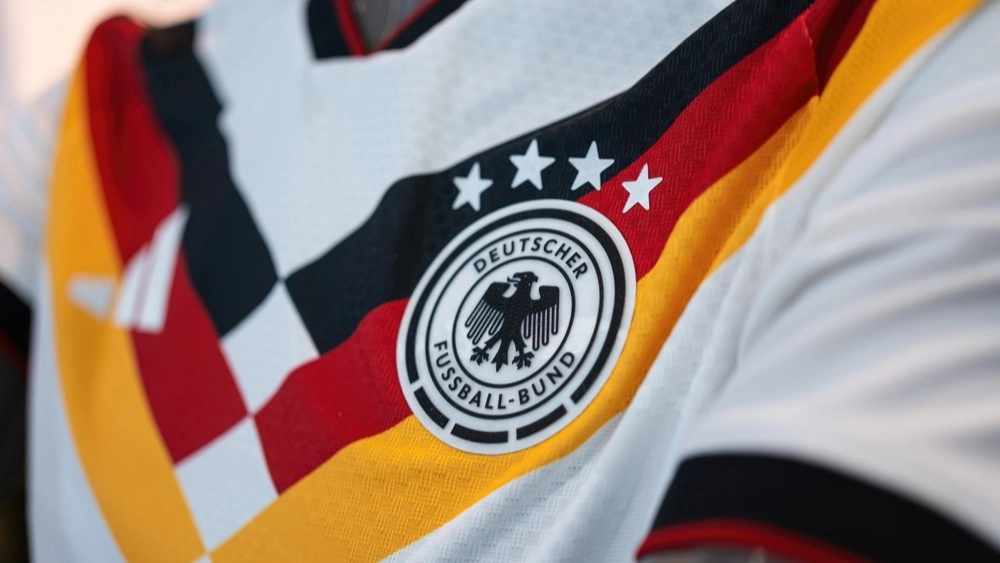
Adidas' relationship with the German Football Association (DFB) began alongside the legendary "Miracle of Bern" in 1954. This partnership has witnessed four World Cup victories: 1954, 1974, 1990, and 2014. This historical link is showcased in the latest home jersey, which features a diamond pattern of black, red, and gold, nodding to past triumphs like the 1994 World Cup in the United States. However, these nods to history also serve as Adidas' swan song, as the company embraces contemporary technology with sustainably made, performance-enhancing gear.
Record Sales and the Surprising Success of a Goodbye Tour
Bjørn Gulden, Adidas' CEO, noted in June that the German World Cup jerseys were selling three times better than their Katar counterparts, projecting sales to exceed three million units. The gear's popularity isn't limited to Germany; Adidas remains a dominant force, outfitting 14 out of 48 World Cup teams. The brand has also cleverly integrated digital technology with its innovative products, like the Trionda soccer ball, blending sports emotion with digital engagement.
Why Nike? DFB’s Strategic Choice
In a move described as transparent, the DFB chose Nike for their “unmatched economic offer," reportedly pledging over 100 million euros per year compared to Adidas' supposed 50-million-euro deal. With more than 7.3 million members and 24 000 clubs under its wing, the DFB saw an offer they couldn't refuse, especially as Nike articulated a vision for diversifying and expanding the sport's reach to amateur and women's sectors.
The Future and Legacy of Adidas in Soccer
Nike, even before officially taking over, has started to weave itself into the fabric of German soccer by releasing teasers featuring players like Jamal Musiala. Despite this, Adidas is far from bowing out of the sport. The company retains partnerships with major clubs like Real Madrid, continuing to hold prime positions on the world stage. While Germany bids farewell to Adidas, the brand's global influence in soccer remains robust, balancing the end of a national chapter with a strong international presence.
As Adidas takes its final bow with the German teams, the scene is bittersweet: lacking a climactic sporting triumph but achieving formidable commercial success. Nike may own the future, but Adidas exits on a high note, reminding fans of a rich, shared history. They may be stepping back, but the legacy of those three iconic stripes endures around stadiums worldwide.
Author
Headlines

Consent was never given.
You need to first accept consent to see this content from TradingView.