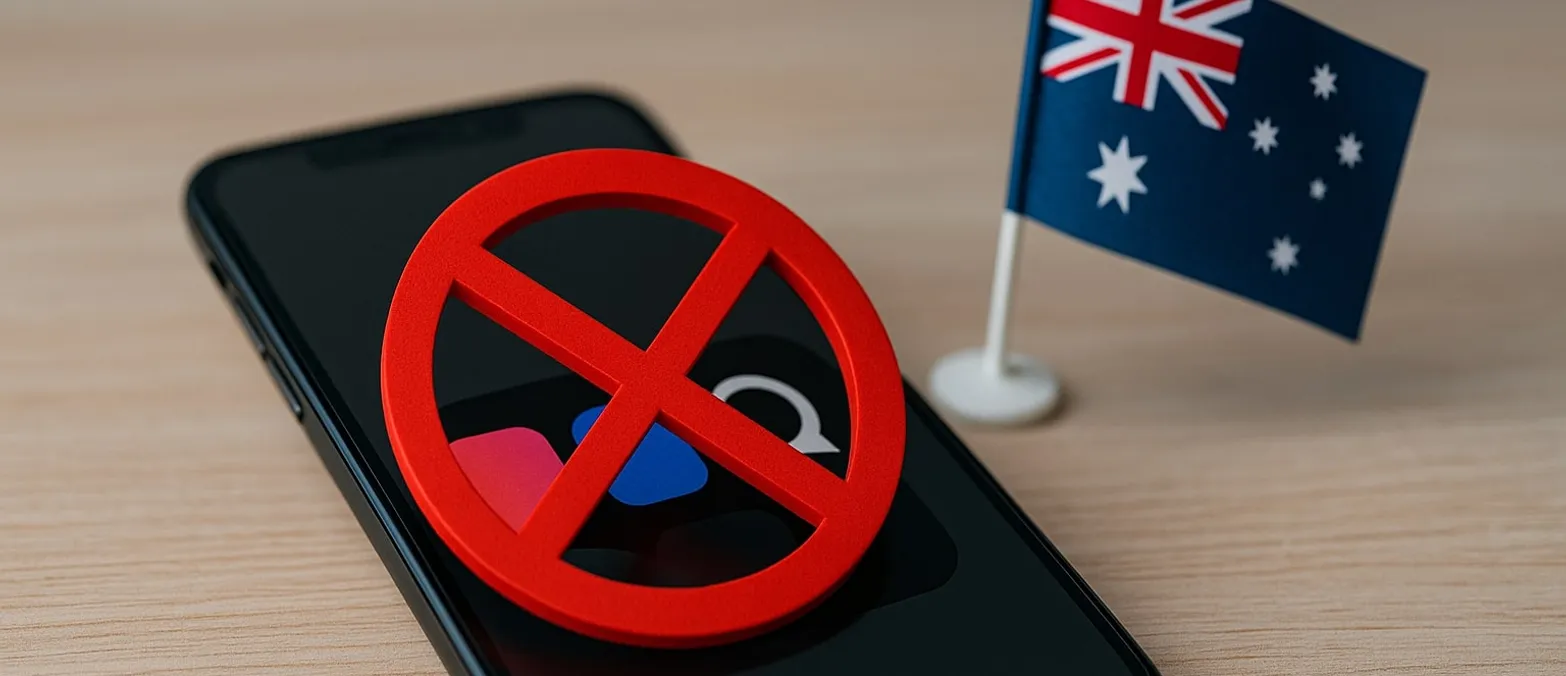
Australia Bans TikTok and Instagram for Under-16s
Australia Serves Tech Giants a Wake-Up Call with Unprecedented Social Media Regulation
In a groundbreaking move, Australia has enacted legislation set to disrupt the youth-centric landscape of social media by banning platforms like TikTok, Facebook, and Instagram for users under 16. Effective December 10, 2025, this law mandates tech companies to deactivate accounts belonging to minors, marking a first in global regulatory efforts with significant fines for non-compliance. This legislation aims to address rising concerns about the impact of social media on the mental and physical health of children. While the government focuses on safeguarding the younger population, tech giants face formidable technical and logistical obstacles in ensuring user compliance. Verifying the ages of all users and enforcing the ban could prove both intricate and costly, potentially setting a new international standard for social media regulation.
End of Self-Regulation: A Clear Directive from Down Under
Australia’s message to the tech industry is explicit: self-regulation is no longer sufficient. With just months to go until the new law takes effect, eSafety Commissioner Julie Inman Grant has issued formal notifications to major tech players like Meta, Google, and TikTok, instructing them to prepare for the ban. They are required to deactivate accounts of underage users and prevent circumvention of the law through simple account setting changes. Companies must now declare their stance on whether they believe their platforms fall under the purview of this ban.
The legislation, passed in November 2024, mandates platforms to take “reasonable steps” to restrict minors’ access. Failure to comply will result in steep fines. The government justifies this stringent approach by highlighting studies that link excessive social media usage with anxiety, depression, sleep disturbances, and negative body image among youths. The initiative also aims to protect children from cyberbullying, sexual exploitation, and harmful content.
The Age Verification Challenge
Imposing this new law presents a significant challenge for tech companies, with the most prominent hurdle being reliable age verification. Currently, platforms depend on self-reported ages, which can be easily falsified. To comply with the Australian mandate, firms will need to adopt robust age verification systems, possibly requiring all users, not just those under 16, to prove their age. This might involve uploading identity documents or using digital identity services.
The implementation of such systems is not only technically demanding and expensive but also raises substantial privacy concerns. Collecting and storing sensitive personal data from millions of users poses a high risk of misuse. Critics worry that such data could be exploited for commercial purposes or expose users to hacking threats. Tech companies thus find themselves in a dilemma: while adhering to the law to avoid penalties, they risk alienating users with intrusive and complicated verification processes.
Setting a Global Precedent?
The initial response from the tech industry to Australia’s new law has been lukewarm, yet intense lobbying efforts are reportedly underway to mitigate or delay its implementation. Companies argue that they are already making significant efforts to protect young users and that a blanket ban is misguided. Instead, they advocate for enhancing media literacy and improving guidance for parents and children.
Nonetheless, the Australian government remains firm in its stance, positioning itself as a global pioneer in curbing the unchecked influence of tech giants. The world is watching as Australia takes center stage. If successful, this model could trigger similar legislative movements in other countries. For tech companies, this scenario poses a regulatory nightmare, as they may face a patchwork of varying national regulations. The social media regulation battle is just beginning, and Australia is leading the charge.
FAQ
Is TikTok publicly traded?
No, TikTok is not directly listed on the stock market. The app is owned by ByteDance, a private Chinese technology company. While there are frequent speculations about an IPO, no concrete plans have been announced.
Which stock will surge in 2025?
Predicting which stock will skyrocket in 2025 is impossible. The stock market is subject to many factors and is highly volatile. Investors should focus on a long-term strategy and invest in businesses they believe have a solid business model.
Why doesn’t TikTok have a stock?
TikTok lacks its own stock because it is a subsidiary of ByteDance, a private company that has opted against going public. The reasons are varied, from geopolitical uncertainties to retaining control over the company.
Can a stock fall below $0?
No, a stock cannot drop below $0. The lowest possible value of a stock is $0. While a company’s insolvency may render its shares worthless, they cannot hold a negative value. Investors can lose their initial investment but nothing more.
Author
Headlines

Consent was never given.
You need to first accept consent to see this content from TradingView.