China/Commodities: Trump Tariffs, BMW uses Alibaba AI, PetroChina's Record Profit
Trump's Tariff Policy Escalates: 54 Percent for China
With yesterday's announcement by U.S. President Donald Trump, the total tariff burden on Chinese imports into the U.S. rises to 54 percent. The increase of 34 percentage points on the existing 20 percent takes effect on April 9, 2025, marking the most aggressive trade policy move by the U.S. against China to date. The measure is part of Trump's reciprocal tariffs, which aim to counter alleged trade barriers.
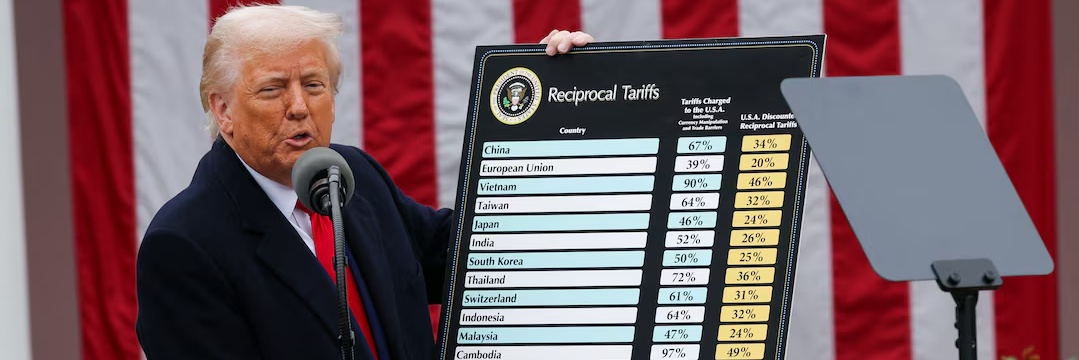
Trump claims China effectively imposes 67 percent on U.S. goods—a calculation that includes tariffs, currency manipulation, and subsidies. China announced determined countermeasures. The Ministry of Commerce called the tariffs "unilateral harassment" and demanded their removal.
BMW to Rely on Alibaba AI from 2026
The German automotive giant BMW plans to equip all models of the new class with AI technology from Alibaba starting in 2026. The strategic partnership includes the integration of Alibaba's largest language model, Qwen, which is expected to enable both advanced functions and personalized travel companions and vehicle assistants.
With this decision, BMW is responding to the growing importance of intelligent cockpits in the Chinese market. The integration of AI technology is expected to significantly improve the BMW Intelligent Personal Assistant and make in-car interactions more natural. China remains a key market for BMW, despite declining profits in 2024.
Chinese Tech Giants Investing Billions
Chinese technology companies PDD Holdings and Meituan are driving their expansion with multi-billion-dollar investments. PDD announces an investment of about 13.7 billion US-Dollar to transform the merchant base on the platform and strengthen competitiveness.
The funds will be invested over the next three years to improve the quality of merchant services. Meanwhile, Meituan is expanding with its food delivery platform Keeta into Saudi Arabia. Following a successful trial in September 2024, Keeta has quickly expanded to the major cities of Riyadh, Jeddah, and Mecca. With an investment of approximately 266.4 million US-Dollar, Meituan plans to cover about 80 percent of the market by the end of 2025.
PetroChina Reports Record Profit
PetroChina, China's largest oil and gas producer, achieved a record net profit of 22.7 billion USD in 2024—an increase of two percent compared to the previous year. Despite a revenue decline of 2.5 percent to 403 billion US-Dollar, the company benefited from increased gas production. Particularly, the natural gas sector turned out to be a profit driver: Gas production rose by 4.1 percent to 145 billion cubic meters.
At the same time, the upstream segment, including oil and gas production, achieved an operating profit of 21.8 billion US-Dollar—an increase of 7.1 percent. PetroChina also invested in renewable energies and increased its installed wind and solar capacity by almost five million kilowatts. To put this in perspective: That's enough to supply 1 400 households with electricity for a year.
Is China Secretly Buying Gold?
The People’s Bank of China (PBoC) is reportedly purchasing significantly more gold than officially disclosed. Since the start of the Ukraine war, it is claimed that the Chinese central bank has bought five times as much gold. Comparisons with data from the World Gold Council (a lobby organization of gold producers) and the International Monetary Fund have allegedly revealed significant discrepancies.
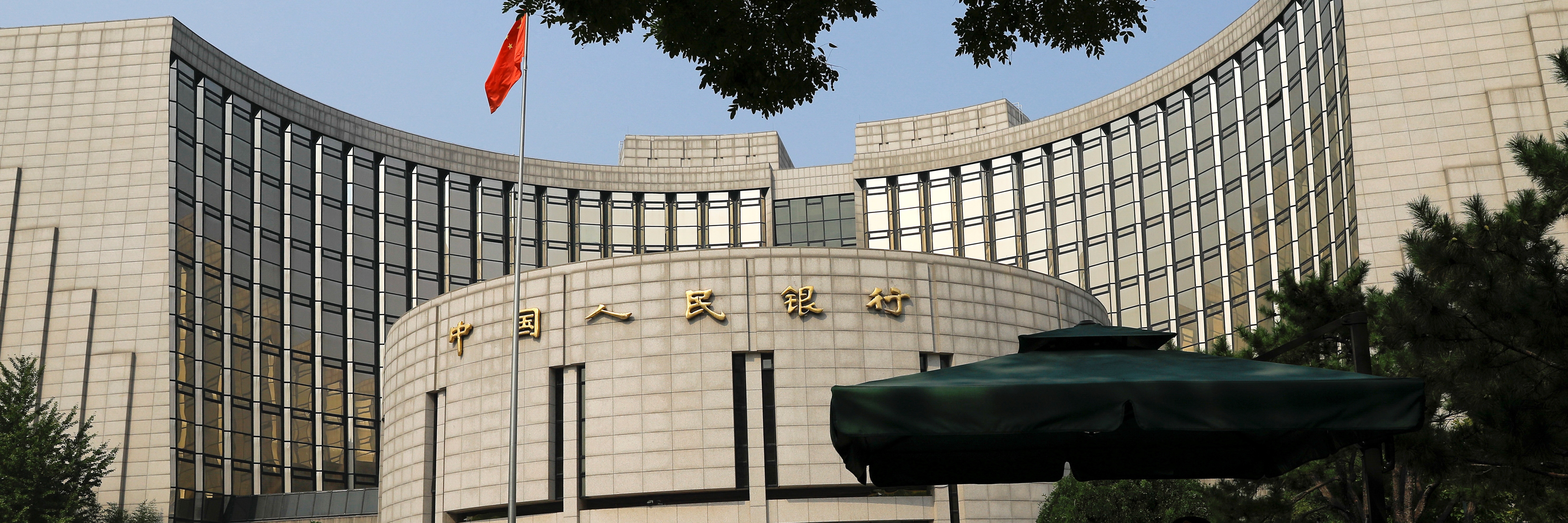
According to industry insiders and trade data, this suggests that the PBoC is making secret gold purchases through unofficial channels. Since 2022, China's gold supply from imports and mines is said to have exceeded the withdrawals at the Shanghai Gold Exchange. The emerging difference appears to be bought by the PBoC. The Chinese central bank is now believed to own over 5 000 tons of gold, far more than the officially reported stock.
China's Oil Consumption is Increasing
Due to economic growth, which should be higher than expected, China's oil consumption is expected to rise to 765 million tons this year. The per capita consumption of plastics in China is 60 percent of the level in industrialized countries, leading to an anticipated increase in demand for petrochemical products.
The rise in electric vehicles on Chinese roads also increases the demand for plastics, as EVs require more plastics than combustion vehicles. Possible sanctions and further uncertainties regarding U.S. tariff policies against oil states such as Iran, Venezuela, and Russia could tighten the global oil supply.
That's it for the China/Commodities Newsflash.
As usual, the next one will be released next Thursday.
Headlines

Consent was never given.
You need to first accept consent to see this content from TradingView.