Crypto Offensive in the Iran Conflict: Are Bitcoin & Co. Turning Criminal Again?
Iran's Hormuz Crypto Play: A New Era in Global Maritime Power Dynamics
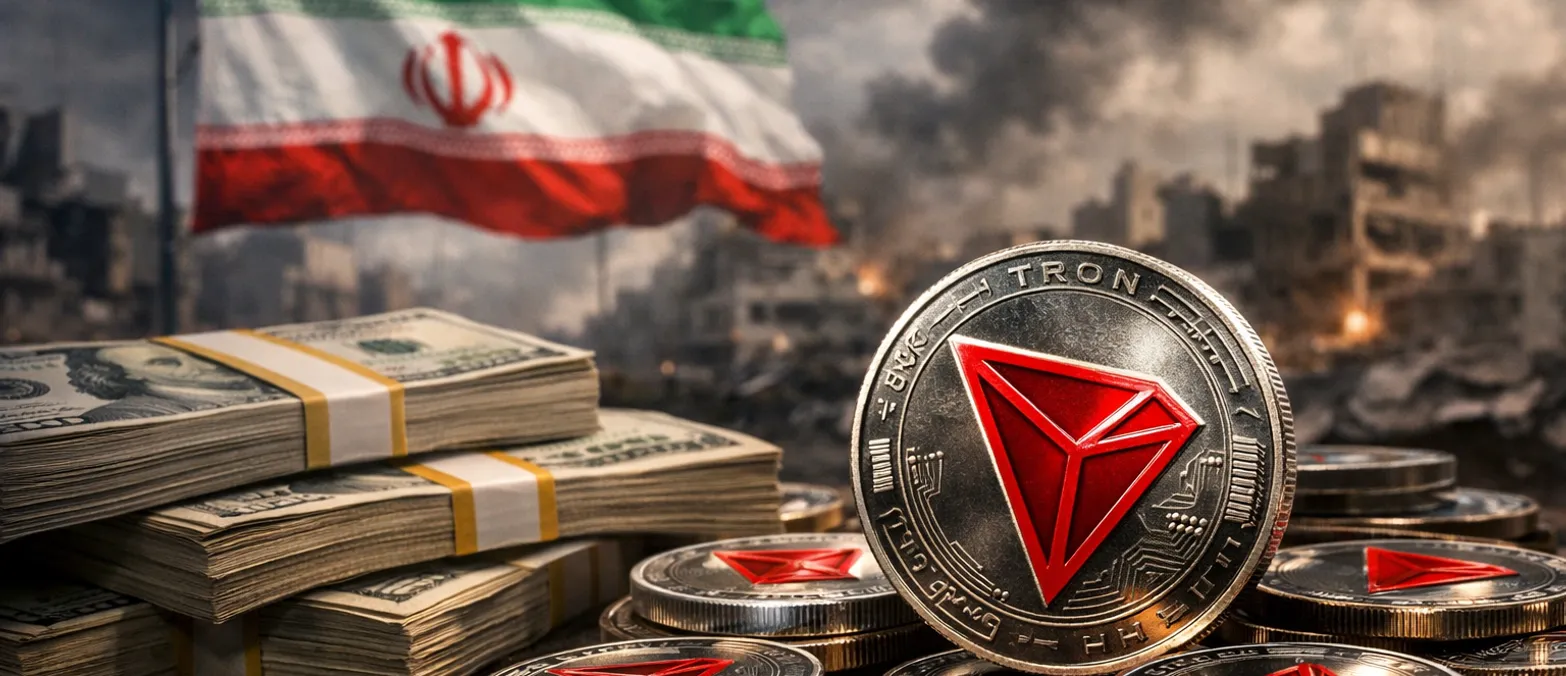
Iran has ramped up control over the Strait of Hormuz, allowing passage only to non-hostile nations. This strategic move has floated the idea of multimillion-dollar tolls, potentially settled via cryptocurrency. It's more than a toll; it’s digital age geopolitics at play, reigniting debates on the illegal use of cryptocurrencies. Troubling for Bitcoin and Ethereum? Maybe not exclusively. The spotlight is shifting to a blockchain named Tron.
Iran’s New Stance on Hormuz: The Facts
Tehran recently notified the United Nations and the International Maritime Organization that only non-hostile ships may pass through the Strait of Hormuz. The catch? They must coordinate with Iranian authorities and avoid supporting hostile actions. Iran is openly discussing transit fees, signaling an attempt to transform military control into a commercial model, with crypto—specifically the Tron stablecoin blockchain—being the tool of choice. Politically, the move is significant. Reports indicate that passage conditions are formally determined, and an Iranian lawmaker mentioned potential legislation for enforcing fees and taxes. The exact fee remains unverified, yet some sources speculate about a $2 million charge per vessel.
Economically, the stakes are high. In 2024, about 20 million barrels of oil flowed through Hormuz daily, accounting for 20% of global consumption, alongside a fifth of LNG trade. Even brief disruptions have stranded tankers, retracted insurance, and detained crews. The IMO reported nearly 2000 commercial ships and 20,000 sailors trapped amidst threats from Iran’s Islamic Revolutionary Guard Corps (IRGC).
The resulting market jitters manifested in rising oil prices within days. The West has responded with strategies to stabilize the market: the U.S. hinted at tapping strategic reserves, and both the International Energy Agency and European nations showed readiness to intervene. Meanwhile, Donald Trump suggested national protection for tankers and raised the prospect of peace talks—claims that Tehran promptly denied.
Crypto's New Role: Binance and Tron Scrutinized
In this geopolitical chess match, cryptocurrency has become a pivotal piece. The U.S. Treasury highlighted Iran's maneuvers to bypass sanctions using digital assets. In January, OFAC (Office of Foreign Assets Control) scrutinized two exchanges, Zedcex and Zedxoin, for ties to the Iranian military. U.S. investigators explore whether crypto platforms assist Iranian actors, possibly connected to the IRGC, in moving funds, acquiring hard currency, or purchasing goods.
The name Tron often surfaces due to its fast, low-cost transactions, especially in stablecoin trades. Reuters noted that 75% of identified Iranian crypto flows ran between Binance and Iranian platforms via Tron. TRM Labs, an American blockchain analytics firm, reported that in 2024, 58% of suspected illegal crypto volume was linked to Tron.
Such features are desirable under sanctions: dollar-like stablecoins that circulate 24/7 without traditional banks. Tron’s low fees enhance its appeal, though U.S. authorities scrutinize it for potential abuse, despite Tron’s cooperative stance against misuse. This scrutiny might prompt stricter regulations or sanctions on involved parties in the U.S., though concrete actions have yet to be decided.
Iran’s Crypto Strategy: A Threat to Bitcoin and Ethereum?
If Iran monetizes passage through Hormuz, it represents not just a fee but privatized maritime security. Those who pay are allowed transit; adversaries remain excluded. This could reshape maritime geopolitics, transforming the strait into a politically filtered corridor managed by an entity that is both a military player and a prospective toll collector.
The issue extends beyond the fee’s dollar amount or Tro̅n’s involvement—verified or not. Iran is testing if geopolitical power can be leveraged both militarily and financially, making the Strait of Hormuz a digital tollbooth in global politics.
This development underscores crypto’s duality: affirming its core benefit of censorship resistance and global usability, while also recontextualizing the industry within geopolitics. This duality may tarnish crypto’s image, as proximity to sanctions and potential abuse could spur new regulations and skepticism. For Bitcoin, Ethereum, and others, expect increased relevance accompanied by heightened challenges.
In these volatile times, Elliott Wave analysis can help maintain a level head when it comes to Bitcoin and Ethereum by offering objective technical insights into price structures and probabilities amidst ever-changing headlines.
Headlines

Consent was never given.
You need to first accept consent to see this content from TradingView.