DAX Newsflash: DAX Slips, Audi Reports Losses, New Debt, Merz Criticizes Trade Deal, and Deutsche Bank's London Moves
Europe’s DAX Index Slumps as Auto Stocks Struggle Despite Tariff Deal
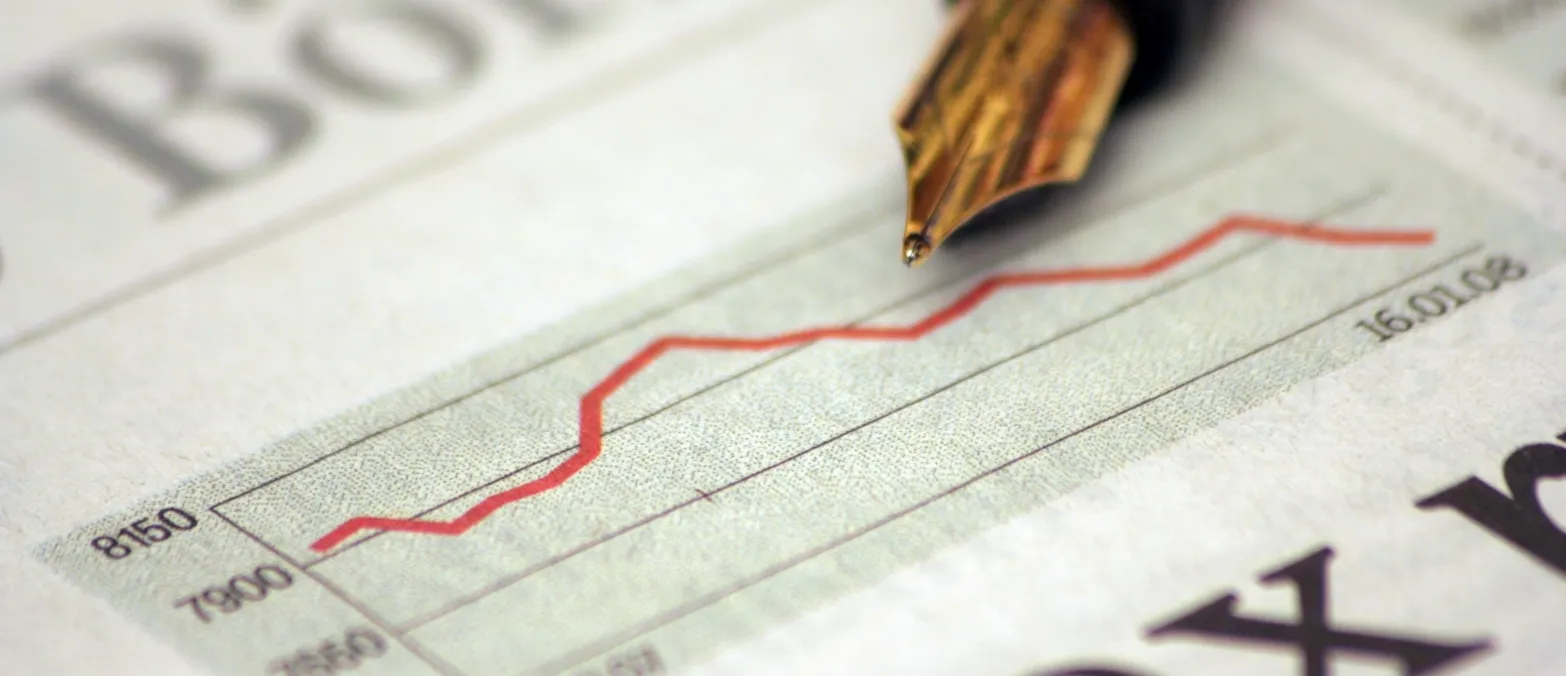
The DAX, Germany's leading stock market index, closed down 1% on Monday, dipping below the 24,000 mark at 23,970 points. Investors seemed to prioritize concerns over future economic conditions, despite a recently announced tariff agreement between the U.S. and EU. Surprisingly, car manufacturers—initially expected to benefit from the deal—saw significant losses, with defense stocks also taking a hit.
Auto Industry Pains: Audi's Earnings Plummet, Taking VW Down with It
The first half of 2025 brought a stark decline in fortunes for Audi, which reported a profit drop exceeding 37%, earning just €1.3 billion. The main culprits include high U.S. tariffs, restructuring costs, and sluggish performance in China and the U.S., prompting the Volkswagen-owned company to significantly lower its annual forecast. In response, VW shares took a tumble, dropping over 3% to sub-€99 levels at times.
Audi's financial strain is exacerbated by around €600 million in U.S. tariffs, as the automaker lacks domestic production facilities in the market. Additionally, the company is heavily investing in a major restructuring plan, including a proposed reduction of 7,500 jobs. Meanwhile, in China, Audi is caught in an intense price war over electric vehicles.
Germany’s High-Stakes Budget: Will Debt Fund the Future?
Germany’s federal government is aiming for a €481 billion budget in 2026, which includes €50 billion in new debt, according to insiders. Despite strict constitutional limits on new debt, funding is needed for defense, infrastructure, and digitalization projects, and the draft budget is expected to be approved by the cabinet on Wednesday.
To justify this new borrowing, officials plan to declare yet another state of emergency, echoing past tactics. Driving this financial strategy are rising interest costs, geopolitical concerns, and mounting expenses in social and military spheres. Even with the proposed budget, additional funds from the special Bundeswehr fund will be necessary to cover defense needs.
Berlin on Edge: Trump’s Tariff Deal Triggers Alarm in Germany
Chancellor Friedrich Merz criticized the new tariff agreement between the U.S. and the EU, labeling it a threat to Germany’s economy. The agreed 15% baseline tariff on numerous EU exports, including cars and pharmaceuticals, is expected to inflict "significant damage," he asserted on Monday. Economy Minister Reiche acknowledged the challenges, while CSU leader Söder called for compensatory measures like subsidized industrial electricity rates.
This tariff arrangement preempts the 30% rates previously threatened by President Trump, yet leaves many businesses under pressure, particularly export-centric sectors like the automobile industry. Söder has warned against new EU taxes, advocating instead for greater economic liberty.
Deutsche Bank Bankrolls London's Olympia Redevelopment
Deutsche Bank has greenlit a £1.25 billion loan package (about €1.47 billion) to redevelop London’s Olympia. The funding is allocated to a consortium led by Madison International Realty, earmarked for transforming the historic event site into a vibrant mixed-use district with office spaces, a hotel, music venues, and theaters.
Olympia, one of London's oldest exhibition centers, is being turned into a multifaceted cultural and business hub, capitalizing on the demand for live events, tourism, and urban regeneration. For Deutsche Bank, this investment aligns with their strategy of committing to large-scale real estate ventures, despite prevailing interest rate challenges.
Author
Headlines

Consent was never given.
You need to first accept consent to see this content from TradingView.