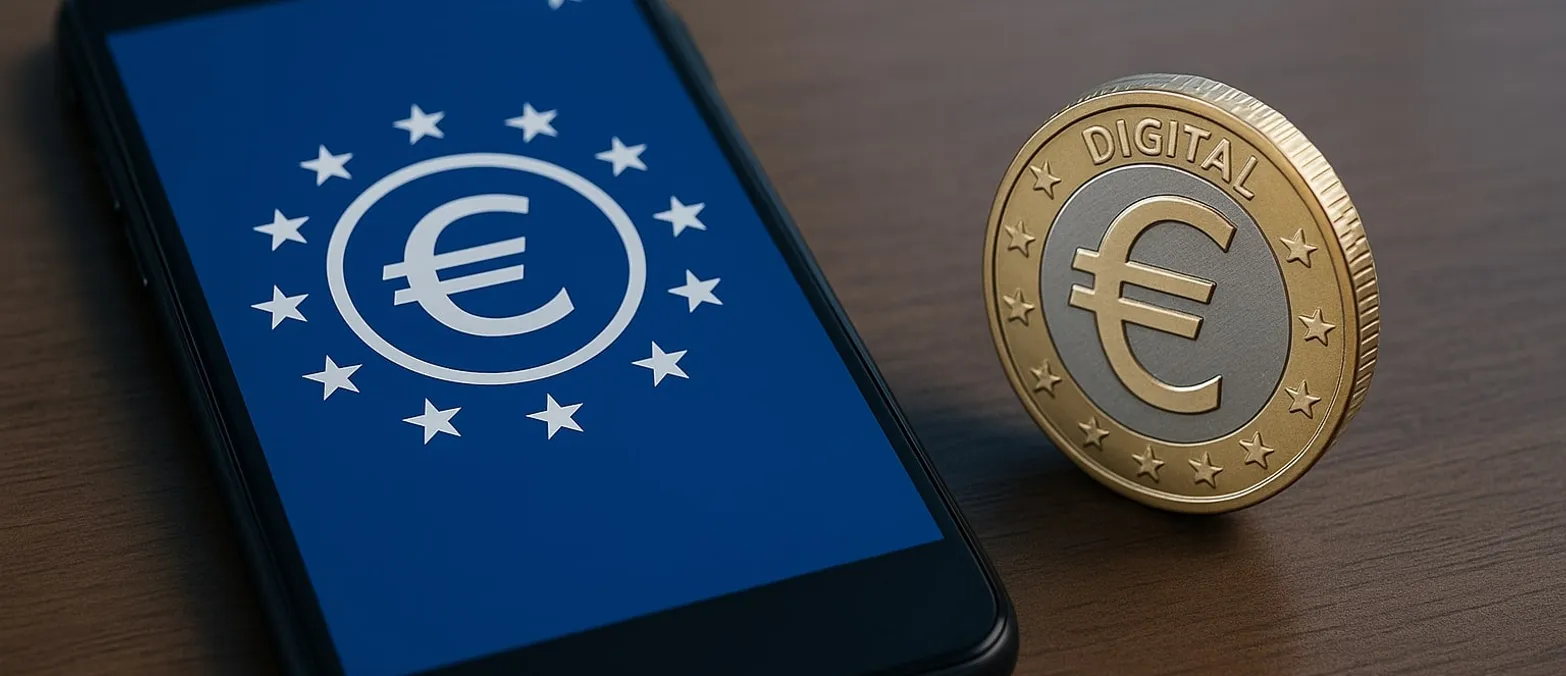
Digital Euro Goes Offline: ECB Strikes Major Partnership
The Digital Euro: Europe’s Bold Step Towards Future Payments
The European Central Bank (ECB) has teamed up with heavyweights Giesecke+Devrient, Nexi, and Capgemini to push the digital euro forward, particularly in the realm of secure offline payments. The mission is to create a digital currency that's as private and reliable as cash—functioning independently of the internet. These partners are set to develop the necessary infrastructure, interfaces, and security systems while the ECB emphasizes privacy and European independence. Nevertheless, digital euros won't be rolled out before legislative approval is obtained, which is not expected before 2028.
ECB Partners With Tech Giants as Digital Euro Takes Form
The ECB has officially launched the next phase of its digital strategy by enlisting the expertise of Giesecke+Devrient, Nexi, and Capgemini. The aim? Elevating the digital euro technically and functionally, especially its groundbreaking feature—offline transactions. Soon, users could directly transfer digital euros between smartphones or cards without needing an internet connection or bank intermediaries.
The ambition is clear: make digital payments as anonymous, secure, and robust as cash. This effort responds to demands for greater privacy and independence from non-European payment providers. It's a strategic move to bolster Europe's financial sovereignty in a globally competitive environment, leveraging long-held expertise in currency technology, IT security, and digital payments.
Tech Pioneers and Political Tightropes
As Capgemini develops the interfaces and Nexi provides the infrastructure, Giesecke+Devrient is tasked with ensuring secure offline systems—an essential yet challenging component to make the digital euro viable. The ECB emphasizes that the rollout will occur only after the project receives legislative green light. Behind the scenes, other players like Feedzai, Worldline, and Almaviva are engaged in risk and fraud management as well as software development.
This strategy highlights Europe's bid for technological independence while ensuring financial system stability. Meanwhile, public debate continues: Consumer advocates insist cash must remain central—not just culturally but as a fallback in case of power or network outages. The Bundesbank echoes this sentiment, stressing the digital euro is meant to complement, not replace, cash. Public trust remains the ultimate currency.
Privacy, Trust, and the Long Road to Implementation
Critics caution against potential traceability of digital transactions, while proponents praise the offline feature's privacy safeguards, likening it to cash. The ECB insists no central storage of transaction data will occur to minimize misuse. In regions with weak infrastructure, the new technology could be instrumental for financial inclusion. Economists view the digital euro as a geopolitical statement: Europe aims to wrestle influence back from global payment giants with a secure, self-sufficient digital currency.
The path ahead is complex, bridging technological innovation, political regulations, and public confidence. If all goes as planned, the digital euro could become a reality by 2028—as a modern extension of cash and a symbol of a Europe determined to shape its monetary destiny.
Author
Headlines

Consent was never given.
You need to first accept consent to see this content from TradingView.