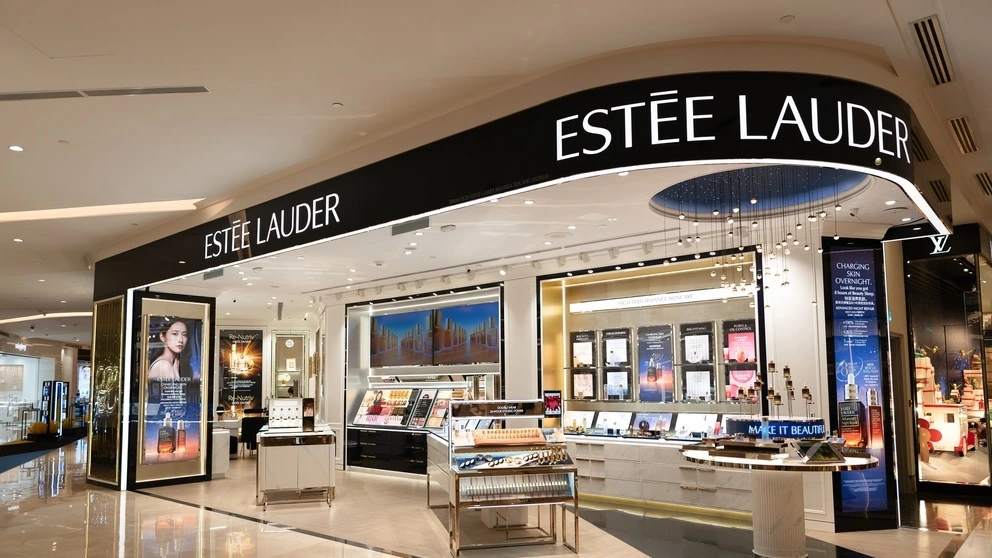
Estée Lauder Acquires Puig: Beauty Mega-Deal Captivates Investors' Imagination
Author
Beauty Titans Set to Merge: Estée Lauder and Puig Enter Talks for $50 Billion Deal
The global beauty industry is on the cusp of a seismic shift. Rumor has it that the founding families of U.S. cosmetics powerhouse Estée Lauder and Spanish luxury group Puig have met in New York to hash out the terms of what could be a colossal merger. This deal, tipped to be worth between $40 and $50 billion, would dramatically reshape the sector’s landscape.
Strategic Synergy: A Perfect Match on Paper
On paper, Estée Lauder and Puig appear to be a match made in heaven. Estée Lauder boasts an unchallenged global prowess in skincare and makeup, showcasing iconic brands like Clinique, MAC, La Mer, and Bobbi Brown. Meanwhile, Puig is the undisputed artisan of luxury fragrances and niche labels, with a portfolio that includes powerhouses such as Charlotte Tilbury, Byredo, Jean Paul Gaultier, and Rabanne, along with the beauty licenses for Prada and Valentino. Together, they have the potential to dethrone L'Oréal as the largest premium beauty group in the world.
What This Means for Estée Lauder's Stock
For Estée Lauder investors, this merger could be the game-changer they’ve been waiting for. The company is amid an extensive restructuring initiative, dubbed "Beauty Reimagined," aiming to tackle dwindling sales and margins. Financially, Estée Lauder stands about 2.3 times larger than Puig and enjoys a significant market valuation premium. Analysts predict that a deal executed entirely as an equity exchange could immediately boost Estée Lauder's earnings per share (EPS) by around 25 percent.
The transaction is likely to be structured as an acquisition offer from Puig, incorporating both cash and stock. Understandably, the Lauder family would likely cede some voting power, boosting the Puig family’s influence within the newly formed conglomerate. Although Bank of America recently adjusted its price target for Estée Lauder from $130 to $120, it maintains a "Buy" rating—signifying optimistic expectations for this merger’s upside potential.
Estée Lauder: Navigating Cultural Challenges and Market Skepticism
Despite the apparent synergies, the market’s initial reaction has been mixed. Puig shares surged by up to 15 percent following news of the talks, while Estée Lauder's stock slipped nearly 8 percent. Such reactions are typical for mega-mergers, as investors initially weigh in on the integration costs and execution risks.
The biggest challenge won’t be merging balance sheets, but orchestrating cultural management between a financially driven American corporation and a European family business known for thinking in long-term brand cycles. If successful, this fusion could create an unstoppable beauty giant; if not, a bureaucratic behemoth may emerge. For bold investors, the current uncertainty presents a compelling entry opportunity.
FAQs
Who is Puig?
Puig is a family-owned Spanish luxury and cosmetics conglomerate, celebrated for its strengths in perfumes and niche beauty markets. Their brand portfolio includes heavyweights like Charlotte Tilbury, Byredo, Jean Paul Gaultier, and manages beauty licenses for Prada and Valentino.
Why do Estée Lauder and Puig want to merge?
The firms complement each other perfectly—Estée Lauder excels in skincare and makeup, while Puig leads in luxury fragrances. Together, they would surpass L'Oréal as the largest premium beauty conglomerate globally and potentially unleash significant synergies in sales and production.
What does the deal mean for Estée Lauder's stock?
Given Estée Lauder's premium market valuation, an equity swap could immediately increase the EPS significantly. While the market has reacted cautiously due to integration risks, analysts see strong upside potential in the deal.
Author
Headlines

Consent was never given.
You need to first accept consent to see this content from TradingView.