From Refrigerator to Supercomputer: China's Secret AI Winner?
Author
Haier's Evolution: From Household Appliance Giant to AI Trailblazer
Your synopsis guide:
- Top household appliance manufacturer breaking records by 2025.
- AI strategy spans smart homes to data centers.
- Strong cash flow and rising dividends support investment appeal.
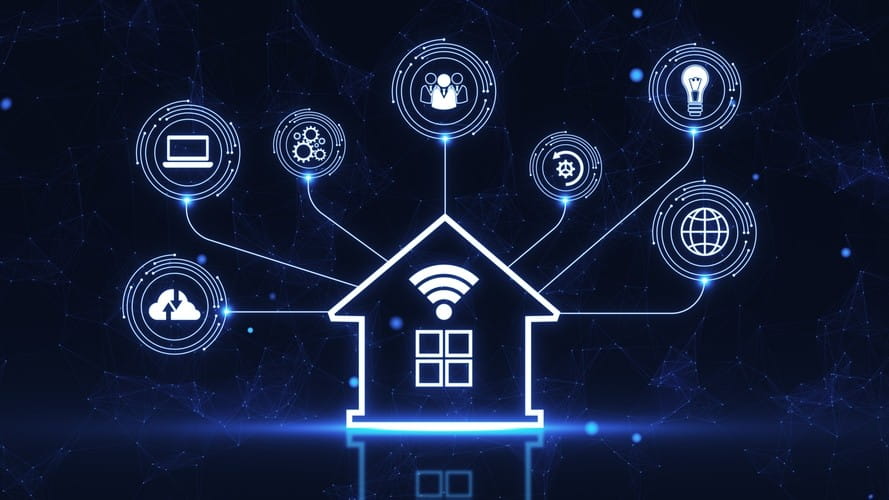
When you think about artificial intelligence, household appliances don’t usually cross your mind. Yet, Haier Smart Home, the world's largest household appliance maker, is proving to be an unexpected beneficiary of the AI boom. By seamlessly blending traditional home appliances with intelligent platforms, data analytics, and connected smart home solutions, Haier is also stepping into new markets centered around data centers and building technology.
Resurgence through German Partnership: From Near Bankruptcy to Global Triumph
Haier Smart Home now stands as the globe's foremost household appliance manufacturer, with well-known brands like GE Appliances in the U.S., Candy in Europe, and Fisher & Paykel in Australasia within its fold. Operating in over 200 countries, Haier boasts a diverse product lineup and a growing portfolio of connected smart home solutions.
This rise is due in part to a pivotal bailout by the German Liebherr Group during its early days as the debt-ridden Qingdao Refrigerator Co. Through technological collaboration, Haier transformed from its near-bankruptcy into a hallmark of quality, rebranded as Haier, and took its first steps onto the Shanghai Stock Exchange, setting the stage for global expansion and early shifts into IoT and smart home technology.
Haier’s localization strategy is readily apparent today, especially in markets like Africa and Latin America. With expanded manufacturing facilities in Egypt holding a 35% market share in inverter air conditioners, and plans for local facilities in Brazil, Haier’s directives echo its global intent.
Leveraging AI: Beyond Appliances
Integral to Haier's forward momentum is its evolving AI strategy, transitioning from a traditional appliance manufacturer to a provider of smart platforms. Envisioning homes where devices communicate seamlessly—from energy management to maintenance—is central to this strategy. Haier's direct-to-consumer model enables it to gather invaluable consumer usage data, facilitating this transition.
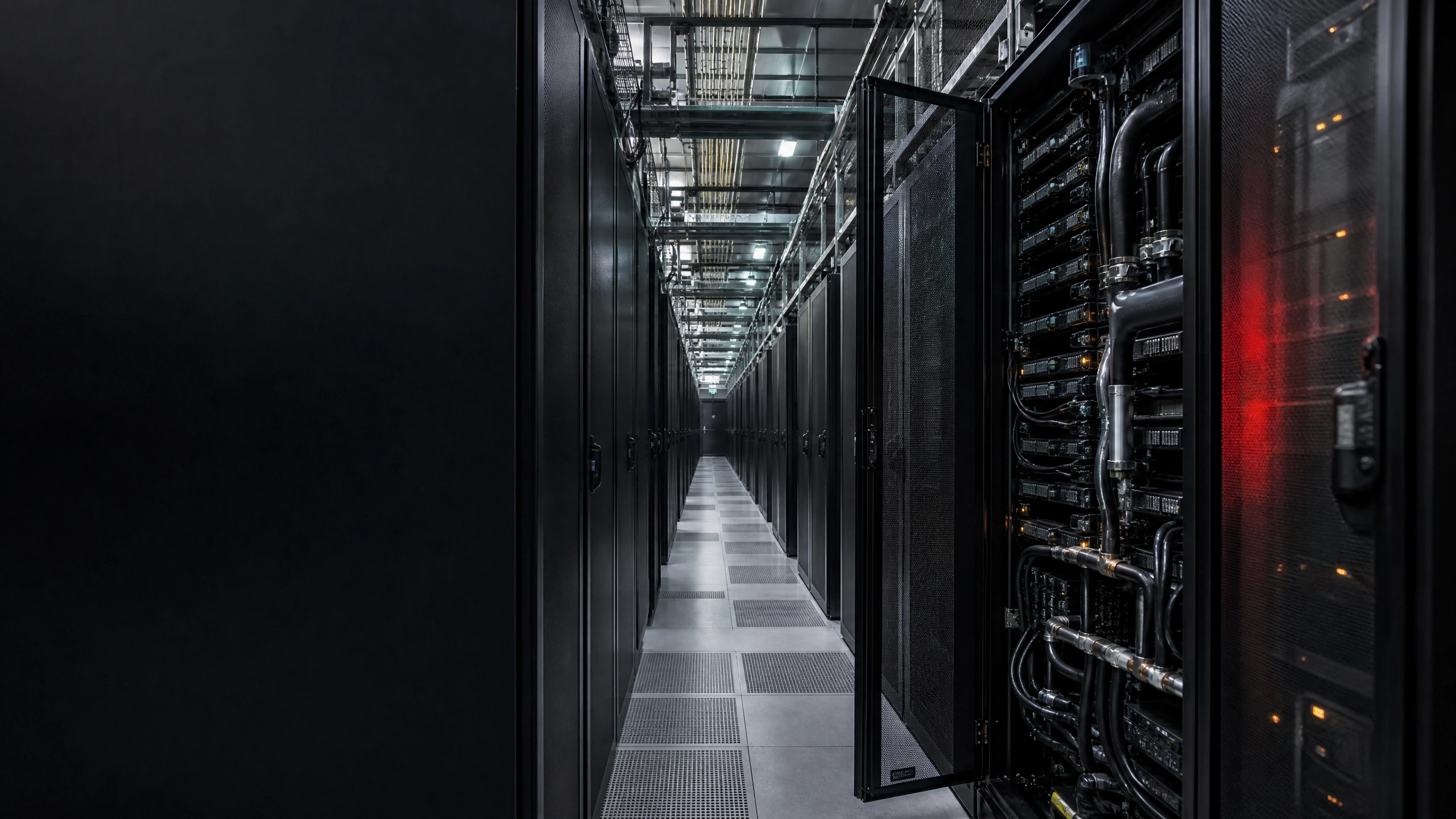
Beyond connected homes, Haier’s true growth potential may lie in its ambitions with data centers. Amid the global surge in AI, efficient cooling solutions for energy-hungry data centers are in high demand. Haier's innovative cooling systems—introduced in April 2026—aim to significantly reduce energy usage while saving space, marking a potentially disruptive entry into the booming AI-hardware market.
Challenges and Opportunities
Despite its promising foray into new technologies, challenges remain. The volatile consumer market, fierce competition from companies like LG Electronics and Samsung, and macroeconomic hurdles such as tariffs and currency fluctuations present ongoing risks. Furthermore, the success of Haier's investments into smart home and AI applications will depend on market demand and competition from specialized tech companies.
Financially, Haier's robust performance records show promise: in 2025, revenues advanced to nearly $42 billion, with operating cash flow significantly outpacing net profits. Entering 2026 with continued solid growth, Haier demonstrates resilience against economic headwinds.
For investors, Haier offers a quality defensive asset adaptable to shifts in global economic and technological landscapes. Should it capitalize on new business ventures successfully, Haier's future narrative may expand far beyond its reputation as the largest producer of refrigerators and washing machines worldwide.
Author
Headlines

Consent was never given.
You need to first accept consent to see this content from TradingView.