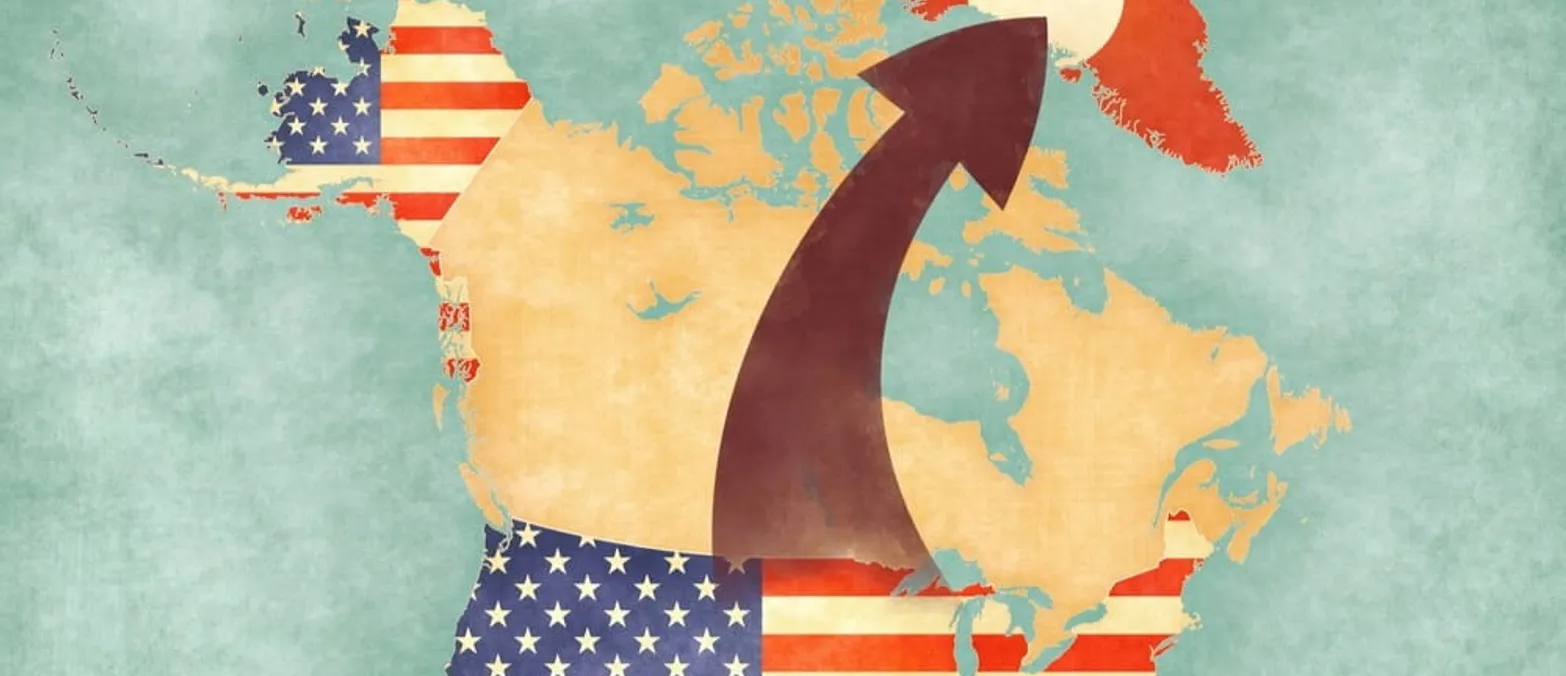
Greenland Negotiations: Trump Temporarily Withdraws Tariff Threat
An Unanticipated Change of Course
In a startling departure from his usual hardline stance, President Donald Trump has stepped back from his belligerent rhetoric regarding Greenland. Speaking at the World Economic Forum in Davos, he announced that he would abandon military threats in favor of negotiations. Only hours later, Trump revealed plans to halt the imposition of additional tariffs on goods from eight European countries, originally set to commence on February 1st.
Nations anticipated to be affected included key players like Germany, France, and Denmark. Trump attributed this diplomatic pivot to a negotiation framework he developed with NATO Secretary-General Mark Rutte, aiming for an agreement encompassing Greenland and the broader Arctic region. For European governments, this announcement signals a cautiously welcomed de-escalation amid growing anxiety over the past days.
Business Community Relieved but Wary
Businesses on both sides of the Atlantic expressed relief, albeit with lingering caution. The initially proposed tariffs of ten percent—with a potential increase to 25 percent by June—threatened to strain transatlantic trade relations. European business associations had openly discussed countermeasures and warnings of economic blackmail.
The manufacturing sector, especially in machinery and equipment, stood to suffer significantly as these products are already burdened by hefty steel and aluminum duties. Over half of exported machinery would have encountered further strains. While these risks are momentarily lifted, Trump's unpredictable approach keeps companies on edge. Consequently, there are robust calls for the EU to reassess trade protection mechanisms and bolster its negotiation stance.
Testing Europe’s Cohesiveness in a Special Summit
Politically, the conflict remains unresolved. EU Council President António Costa continues to support the upcoming special summit in Brussels, dedicated to addressing the state of transatlantic relations. EU Commission President Ursula von der Leyen describes the situation as a critical juncture, emphasizing that Europe must convincingly wield its power instruments.
Despite Trump's recent reversal, the underlying damage to trust persists. For investors, the EU’s ability to present a united front is crucial. Successfully safeguarding economic interests while avoiding escalation might strengthen Europe in the crisis's wake. Conversely, a hesitant response could sow new uncertainties in trade, markets, and long-term investment decisions.
FAQs
Who legally owns Greenland?
Greenland is an autonomous territory within the Kingdom of Denmark. While it has its own government, Denmark retains control over foreign and security policy.
Was Greenland a Danish colony?
Yes, Greenland was a Danish colony until 1953, after which it was formally integrated into the Kingdom of Denmark and later granted extensive self-governing powers.
Author
Headlines

Consent was never given.
You need to first accept consent to see this content from TradingView.