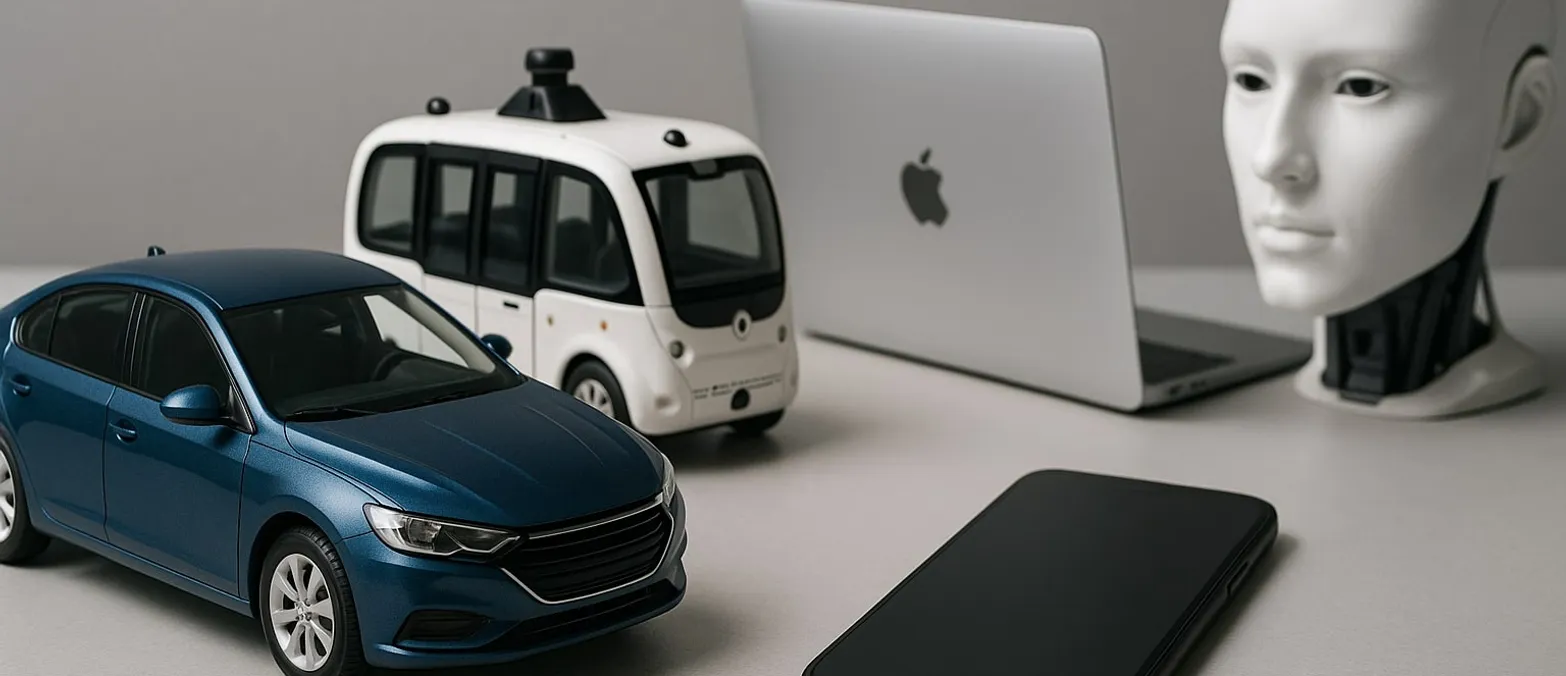
HKCM Weekly Recap: Automakers in China, Amazon's Robotaxi, Apple Downgrades, Uber Lawsuit, Alibaba AI
Europe’s Auto Giants Face the Electric Challenge in China
Europe's biggest carmakers seem to be reaching for the brakes rather than the accelerator as they navigate the tumultuous terrain of the Chinese auto market. Once basking in the glory of strong sales, giants like Volkswagen, Mercedes, BMW, and Porsche now find themselves engulfed in fierce competition, battling not only aggressive pricing strategies from burgeoning Chinese electric vehicle (EV) manufacturers but also the weight of new tariffs and tepid European demand. As VW and Porsche CEO Oliver Blume succinctly put it at the Munich Auto Show: “The party is over.”
Electric Dreams Face Real Competition
The backdrop to this struggle is a sweeping transformation across Europe aimed at banning internal combustion engines by 2035. Car manufacturers are racing against time to design competitive EV models, but many remain skeptical about meeting these deadlines. A McKinsey study projects that around 350 new electric models are set to debut in Europe by 2032, yet, Chinese rivals appear to be entering the market faster and at lower price points. As a result, companies are scrambling to adjust: Porsche has scaled back its profit targets for China, BMW is introducing its new iX3, Mercedes is slashing costs, and Renault is pinning hopes on cheaper battery technology to close the gap.
Amazon’s Zoox Rolls the Dice in Las Vegas
Amazon is taking a fresh spin in the burgeoning world of autonomous transportation with its subsidiary Zoox, which has launched free robotaxi rides in Las Vegas. These innovative vehicles, sans steering wheels and pedals, transport passengers as part of a trial phase, awaiting the green light for a paid service. The move positions Amazon as a direct contender against Alphabet's Waymo and Tesla, which are already testing autonomous vehicles in various cities. While Zoox currently operates about 50 specially designed, toaster-shaped vehicles with face-to-face seating, the broader market remains fraught with regulatory hurdles, technological challenges, and public skepticism. Despite these obstacles, Amazon is forging ahead with plans to expand into San Francisco, Miami, and other major metropolitan areas.
Apple’s Shine Dims Amid Analyst Doubts
Apple has received a wake-up call with two downgrades from analysts, spotlighting concerns about its slowing innovation and its grip on artificial intelligence (AI). Analyst recommendations for the tech giant have dipped to 3.9 out of 5, the lowest since early 2020, with the recommendation to buy sliding to just 55%. While companies like Microsoft, Nvidia, and Amazon are hailed as strong buys, Apple has recorded a 9% slide in 2025 share prices. Critics point to uninspired new product launches and anxiety over Apple potentially lagging in the AI race. As the Nasdaq 100 gains 14% this year, Apple remains firmly in the rear-view mirror.
Uber Faces Legal Battle Over Accessibility Claims
Uber is under fire as the U.S. Department of Justice files a lawsuit alleging discrimination against passengers with physical disabilities. The claims state that drivers frequently fail to accommodate passengers with guide dogs or foldable wheelchairs. Despite a $2 million settlement in 2021 and amended guidelines, Uber denies the fresh accusations yet underscores a strict zero-tolerance policy on violations. This lawsuit is significant as it pertains to the Americans with Disabilities Act, which ensures equal treatment for individuals with disabilities. The fallout could not only impact Uber's reputation but also bear serious repercussions for its operations within the U.S. In other news, Uber plans to offer helicopter and seaplane bookings via its app by 2026.
Alibaba’s Stock Soars Amid AI Ambitions
In Hong Kong, Alibaba’s stock took a significant leap, rising over 7% as the company unveiled a multi-billion dollar investment in AI. By raising $3.2 billion through convertible bonds, Alibaba is positioning itself at the forefront of China’s AI infrastructure. This strategic pivot aims to shift investor focus from the profit-eroding online commerce wars to Alibaba's vast potential within the AI frontier. Once beleaguered by state regulations, Alibaba is now branding itself as a leader in the global AI competition. By advancing its own chips and AI models, the company signals its intent to not only dominate e-commerce but also drive the next generation of technology innovation.
That wraps up this week’s summary. Join us again next Friday for another comprehensive look at global business trends.
Author
Headlines

Consent was never given.
You need to first accept consent to see this content from TradingView.