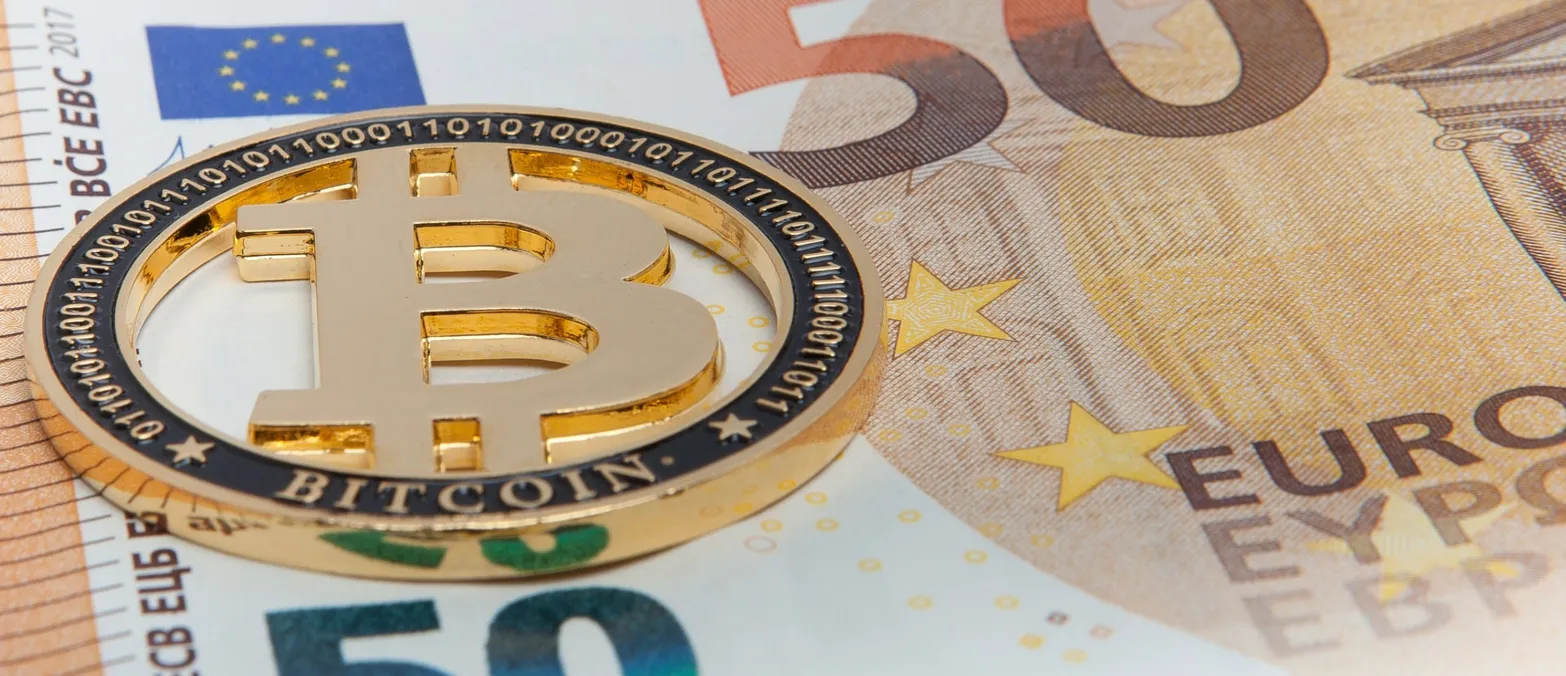
Is Investing $50 in Bitcoin Worth It?
Is Bitcoin Worth a Small Investment? Insights for U.S. Investors
Key Takeaways at a Glance:
Yes, you can start investing with just $50—with the understanding that it’s more about getting to know the system than getting rich quickly. While there are risks, such as market volatility and technical glitches, consistent small investments paired with informed decisions may lead to long-term gains. Bitcoin's supply is capped at 21 million coins, protecting against inflation and removing central control risks. The U.S. government and companies like BlackRock are channeling strategic investments into Bitcoin, often through specialized funds.
The Unprecedented Ascendancy of Bitcoin
You may have heard someone say, "Bitcoin and cryptocurrencies are just internet scams!" It's a sentiment that's not entirely unfounded given the initial skepticism from high-profile figures and institutions. President Donald Trump once labeled Bitcoin "a scam," while BlackRock CEO Larry Fink infamously dismissed the crypto market as a playground for illicit activities. Fast forward to today, and these critics have become some of Bitcoin's strongest endorsers. Trump has actively promised support for Bitcoin, encouraging, "Never sell your Bitcoins!" Even the U.S. has stockpiled a strategic Bitcoin reserve for good measure. What changed? And does it make sense now to enter the market with a modest investment?
Why Is Bitcoin So Valuable?
Bitcoin’s value largely stems from its limited supply: there will only ever be 21 million coins. Unlike fiat currencies, which central banks expand during crises—leading to inflation and reduced purchasing power—Bitcoin remains as scarce as "digital gold." This scarcity becomes especially attractive as national debts and expansive monetary policies grow. Additionally, Bitcoin’s censorship resistance is invaluable. In unstable geopolitics, it provides a neutral platform for transactions, offering safety where traditional banking fails. These factors have garnered global demand, carving out Bitcoin’s place in trading internationally as an alternative to dominant currencies like the U.S. dollar.
Bitcoin's Market Triumph
Bitcoin's market success is linked to the introduction of regulated Exchange Traded Funds (ETFs), allowing broader market access. Giants like BlackRock, Fidelity, and Grayscale make investing in Bitcoin possible without direct blockchain engagement. Consequently, corporations like MicroStrategy, Tesla, and Metaplanet have begun utilizing Bitcoin as a reserve asset, driving demand and establishing its credibility on the global stage. The iShares Bitcoin Trust by BlackRock amassed an unheard of $70 billion in just over a year. With the debut of these ETFs in 2024 after prolonged SEC negotiations, the trajectory of Bitcoin has been staggering, elevating it to heights comparable to or surpassing even traditional assets.
Considering a $50 Bitcoin Investment?
Investing in Bitcoin with just $50 can certainly be meaningful—not as a get-rich-quick scheme but as a way to educate oneself about the burgeoning system. It’s about understanding how Bitcoin functions, managing wallets, and the art of handling digital assets with care. A small monthly investment can accumulate significantly over time if Bitcoin continues to rise, supporting the axiom: better to start small than not at all. This low-barrier entry is ideal for risk-averse individuals as Bitcoin can be purchased in Satoshis, much like fractional stock shares.
What Risks Accompany Bitcoin?
New investors face the greatest risk with Bitcoin's volatility, as sharp price fluctuations can test emotional resilience. Many fall into the trap of buying at peaks and selling during panic-induced lows. Without knowledge of secure storage, both veteran and novice users risk losing their holdings through technical negligence or fraud. For advanced traders, the danger lies in regulatory unpredictability across jurisdictions and attempts to time the market. Bitcoin requires a long-term mindset, security diligence, and avoiding the pitfalls of overconfidence.
How to Invest in Bitcoin
Bitcoin can be bought in small units called Satoshis—100 million make up a Bitcoin. So, there's no need to buy a whole coin; you can invest as little as ten dollars. The preferred strategy for many is DCA (Dollar-Cost Averaging), which involves regular small investments to mitigate volatility. Bitcoin can be acquired through platforms like Coinbase or brokers like Trade Republic, or via ETFs. Starting small allows you to capitalize on Bitcoin's potential appreciation akin to stocks over time.
Frequently Addressed Bitcoin Questions:
How much should one invest in Bitcoin?
For beginners, it’s wise to start small—perhaps $10, $50, or $100. The goal isn’t immediate wealth but gaining familiarity with the system. A monthly saving plan (DCA) is particularly advisable as it enables you to benefit from potential long-term growth without surprise from market fluctuations.
How much Bitcoin do you get for $50?
Buying whole Bitcoins isn't necessary. Your $50 converts into Satoshis—Bitcoin’s smallest unit. If Bitcoin trades at $100,000, $50 would net you roughly 0.0005 Bitcoin, or 50,000 Satoshis.
What will 1 Bitcoin be worth in 2030?
While demand by nations, corporations, and private investors, combined with Bitcoin’s fixed supply, might drive its value, projecting its 2030 price is speculative. Past trends show considerable potential, but precise predictions remain elusive.
What happens if you invest $10 in Bitcoin?
Even a $10 investment results in a Bitcoin fraction. The primary value is educational—learning to navigate wallets, price shifts, and secure storage—offering low-risk, practical experience. Such small investments can add up and serve as a vital learning tool over time.
Headlines

Consent was never given.
You need to first accept consent to see this content from TradingView.