Ketchup Frustrations: Is Berkshire Hathaway Exiting Kraft Heinz?
Berkshire Hathaway's Potential Exit from Kraft Heinz: A New Era of Capital Discipline
It appears Berkshire Hathaway might be dialing down its hefty investment in Kraft Heinz. What prompts this move isn't just the typical ebb and flow of market fluctuations. Instead, it's born from a clear-eyed reassessment of an investment that's been a staple of the company's portfolio for years. Holding approximately 27.5% of Kraft Heinz, Berkshire Hathaway stands as the largest stakeholder. Yet, the long road since Kraft Foods and Heinz merged hasn't been kind, with the stock shedding nearly 70% of its value since the union.
A Costly Misstep? Strategic Shifts Under New Leadership
Could Kraft Heinz have been a misfire for Berkshire? Even Warren Buffett, the sagacious helm of Berkshire, confessed back in 2019 that the company probably paid too much at the onset. Years of subsequent writedowns have chipped away at the once-steadfast belief in Kraft Heinz's business model. These financial strains have slashed a total of $8.4 billion from the investment's value, with a staggering $3.76 billion write-down in the last year alone.
Initially, the strategy was clear: tighten the cost belt and boost profit margins. But that austerity didn't yield the anticipated bounty. Instead, Kraft Heinz lagged in critical investments, bled market share, and faced mounting pressure from cheaper store brands and shifting consumer preferences.
Realigning the Portfolio: A New Era Under Greg Abel
Add to this the proposed breakup of Kraft Heinz—a move that puzzles some investors vis-a-vis the original investment rationale. With Greg Abel now steering Berkshire, we’re tasked with reading the tea leaves. Abel’s pragmatic approach suggests a cold-eyed reevaluation of even cherished investments. For the market, this is a beacon: nothing is beyond reassessment, even longstanding enterprises.
Investment Implications: Why This Matters for Investors
So, what does this mean for stakeholders? Berkshire's possible exit sounds a clarion call: capital discipline reigns supreme. Positions no longer pulling their weight in terms of long-term growth are up for review. This could increase selling pressure on Kraft Heinz's stock, something traders will watch closely. In the longer arc of time, this demonstrates that even sizable holdings are not immune to strident reevaluation when foundational issues are at play.
For investors, the move underscores an important tenet: continually scrutinize business models and keep a watchful eye on managerial decisions. By doing so, Berkshire Hathaway continues to adhere to its foundational principle - deploying capital where sustainable value creation is within reach, while rigorously amending past missteps.
More about Kraft Heinz
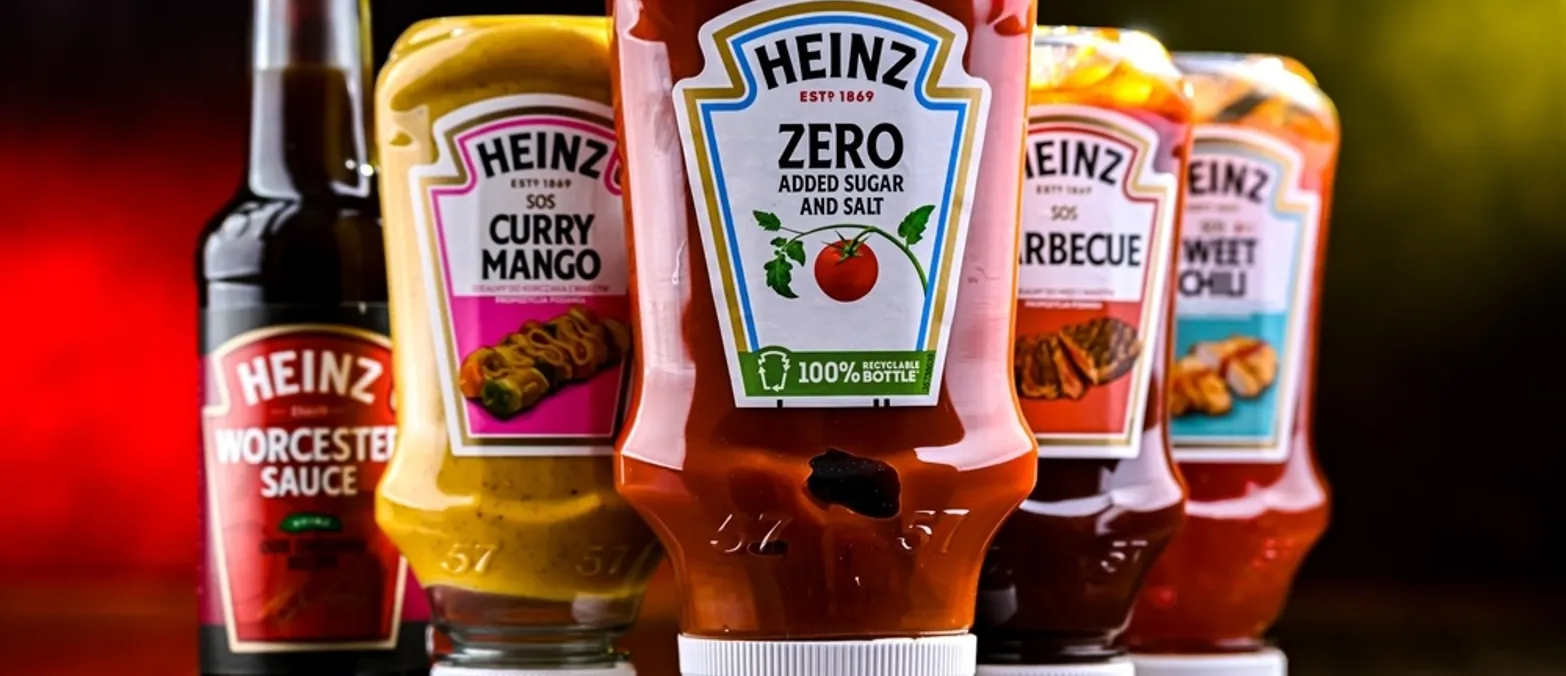
Kraft Heinz boasts a wide array of household food brands like Heinz, Philadelphia, Kraft, Oscar Mayer, Lunchables, and Capri Sun in select markets. The giant has carved its niche predominantly in sauces, cheese, ready meals, and processed meat products.
Are Kraft and Heinz Ketchup the Same?
Craft and Heinz are two distinct brands within the larger Kraft Heinz umbrella. Ketchup, that quintessential condiment, flies the Heinz flag exclusively. Meanwhile, Kraft offers a suite of different products like cheese and ready meals.
Author
Headlines

Consent was never given.
You need to first accept consent to see this content from TradingView.