Nordic Powerhouse: Is Neste a Long-Term Portfolio Staple?
From Fossil Fuels to Green Giant: Neste's Pioneering Energy Transformation
In an era defined by climate consciousness and renewable energy, few companies have undergone such a radical transformation as Neste, the Finnish powerhouse. Once a staple in the fossil fuel industry, Neste has reimagined itself as a global leader in renewable fuels and sustainable chemicals.
A Decade of Transformation: Neste's Rise as a Green Industry Icon
Neste's journey commenced as a state-owned oil company, a traditional purveyor of fossil fuels. However, the early 2000s marked a strategic pivot toward renewables. Dedicating resources to the production of Renewable Diesel derived from hydrotreated vegetable oil (HVO), Neste shifted its focus and identity.
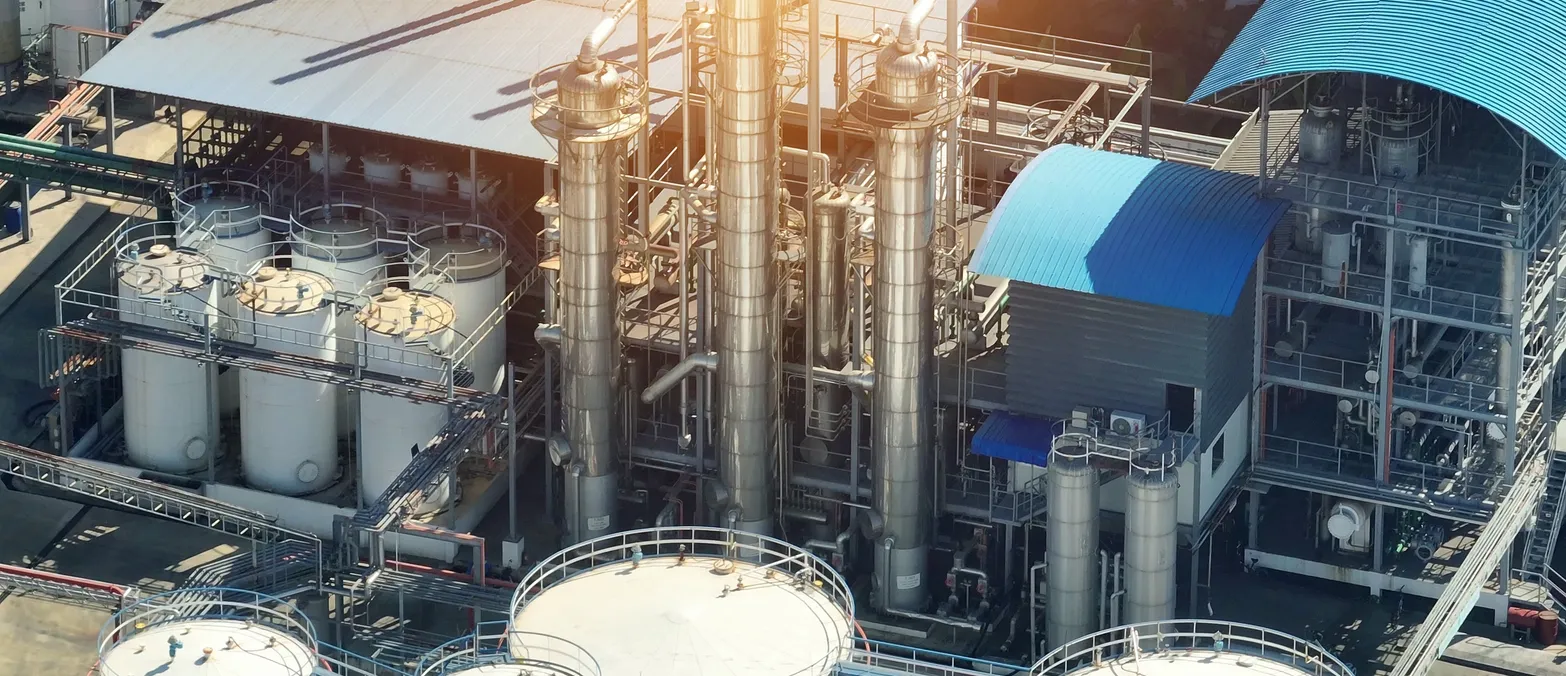
Today, the company stands as a top supplier of renewable diesel and sustainable aviation fuel (SAF) globally, with production facilities in Finland, the Netherlands, and Singapore—home to some of the largest HVO plants on the planet.
The Singapore facility's expansion has doubled its capacity to 2.6 million tons annually, including up to one million tons of SAF. In 2023 alone, Neste sold over three million tons of renewable products. The company also invests in circular economy projects, such as chemical recycling of plastic waste to reclaim high-quality raw materials.
Despite the successful transformation, challenges loom. Market volatility and fluctuating raw material prices have recently impacted profitability. Nonetheless, Neste epitomizes Europe's most visible industrial transformation narratives.
Driving Growth through Innovation: Neste's Current Status and Future Prospects
Neste has thrived amid a global push for decarbonization. As demand for SAF escalates, the Singapore facility has emerged among the world's top production sites. Airlines are upping their blending requirements, and regulatory frameworks like the EU's SAF mandates are securing sustained demand.
However, volatility in renewable product margins reflects a cyclical industry. Prices for renewable diesel credits and sales margins have contracted, underscoring the business model's vulnerability to market and commodity price swings. Earnings from 2024 to 2025 dipped in double digits, highlighting these dependencies. Still, Neste is committed to expansion and ambitious climate targets, including slashing operational emissions by 2030.
Neste in the Euro-Titans: A Company Poised for the Future
Neste's innovative business model is central to the evolving energy landscape, standing on a broad industrial base. While demand for renewable fuels and SAF grows, challenges such as pricing, raw material availability, and regulatory developments persist.
Joining the Euro-Titans package affirms Neste's status as a European stock with a promising trajectory. A thorough analysis featuring valuation and investment opportunities is now available in our latest Euro-Titans offering.
FAQ
Is Neste Stock a Good Investment?
We see long-term potential in Neste stock, as the company leads globally in renewable fuels and benefits from increasing climate regulations. Subscribers to our Euro-Titans package receive comprehensive stock analyses and specific entry target zones.
When Does Neste Pay Dividends?
For the fiscal year 2024, a dividend of 0.20 euros per share is proposed, payable in early April 2025. Dividends are usually distributed annually—special or interim payments remain uncertain.
What Is the Balance Sheet Status of Neste Stock?
Despite recent margin declines, Neste boasts a solid balance sheet, supported by strong cash flow from core operations and growing sales of renewable fuels. While short-term price fluctuations impact profitability, the structural demand surge for SAF and HVO enhances the stock's long-term appeal.
Author
Headlines

Consent was never given.
You need to first accept consent to see this content from TradingView.