OPEC Cuts Production Plans: Crude Oil Prices Rise Amid Commodity Battle
OPEC+ Moves to Tighten Oil Supply, Jack Up Prices
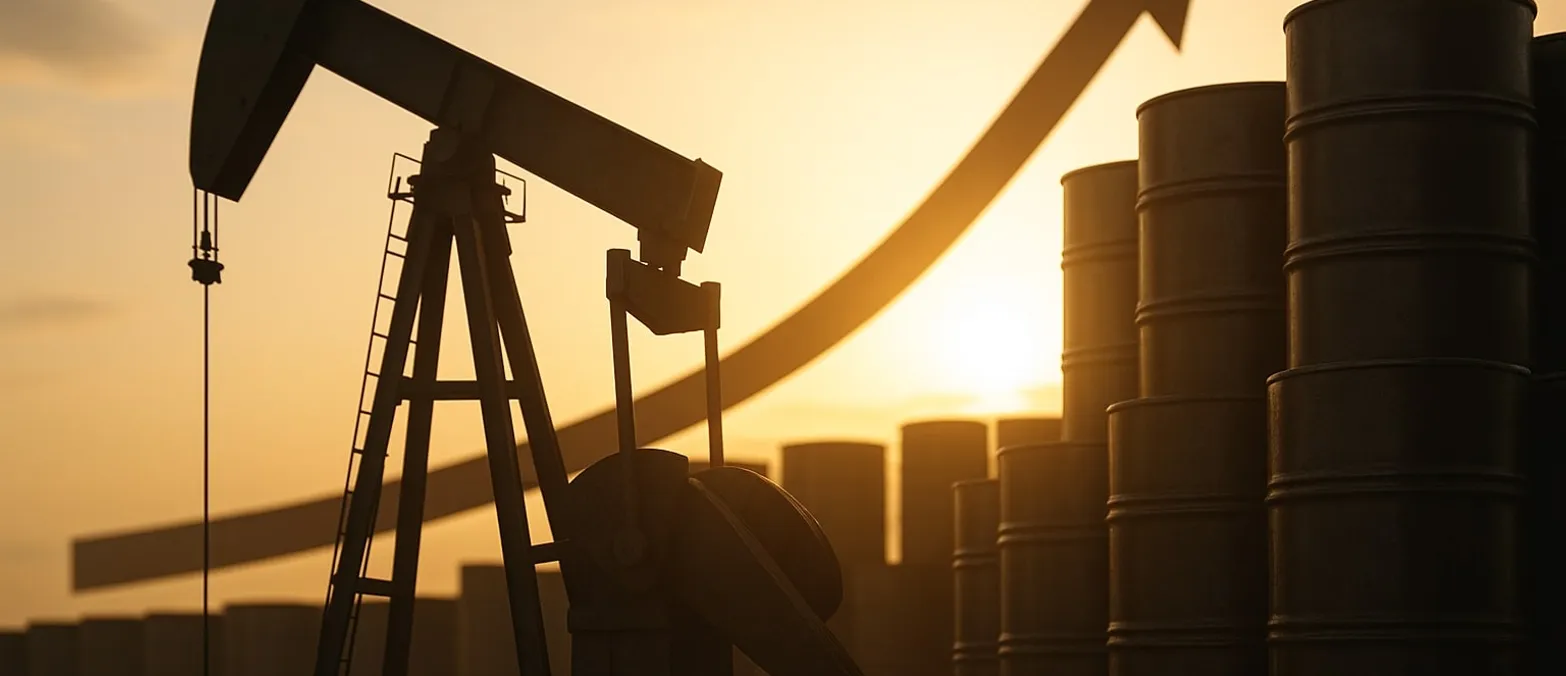
The OPEC+, a consortium of oil-producing nations including oil powerhouses Saudi Arabia and Russia, has made a pivotal decision to decelerate its planned oil production increase. This maneuver is set to release less crude oil into the global market than previously anticipated, thereby driving prices higher. The strategic move bolsters the positions of Saudi Arabia and Russia as they leverage a controlled oil supply strategy to expand their economic and geopolitical influence. For consumers and businesses worldwide, this translates into elevated energy costs, heightened inflation, and intensified economic pressures. Analysts suggest that prices are likely to remain elevated or even climb further in the short term.
Production Expansion Slows – Oil Remains in Short Supply and Expensive
The unexpectedly cautious decision by the OPEC+, including members of the Organization of the Petroleum Exporting Countries along with major producers like Russia, to slow down their oil production increase has caught markets off guard. Initially, the alliance intended to significantly ramp up oil output after years of production cuts. However, this process will now occur gradually to prevent an oversupply scenario. Less oil flowing into markets means tighter supply, which in turn has led to a spike in prices. Post-announcement, markets quickly responded with notable increases in crude oil prices per barrel.
Saudi Arabia and Russia Steer the Course
This strategic shift within OPEC+ was notably influenced by Saudi Arabia and Russia. These two nations heavily rely on oil revenues to fund substantial portions of their budgets and are thus invested in maintaining high prices. Additionally, as energy giants, they use their roles to deliberately expand their political influence on the international stage.
Countries heavily dependent on oil imports, particularly in Europe, find themselves increasingly beholden to such supply maneuvers. By controlling production levels, the producers not only reap financial rewards but also gain a strategic bargaining chip in global negotiations.
Internal Disagreement Over Strategy Within OPEC+
The decision to roll back the pace of production increases was not unanimous. Some member states, including Nigeria and the United Arab Emirates, were keen on swiftly boosting production to generate much-needed state revenue. However, influential powers like Saudi Arabia and Russia warned against a potential price collapse from an oversupply. After weeks of tense discussions, a cautious approach prevailed, reaching a compromise where production would continue to rise but at a slower pace than anticipated. As a result, the market faces a continued tight supply and a stable to increasing price level.
Impact on Consumers and the Global Economy
The OPEC+ decision considerably impacts everyday life for consumers worldwide. Rising oil prices inflate costs for gasoline, heating oil, airline tickets, and goods transportation. Businesses typically pass these heightened costs onto consumers, further fueling inflation. Central banks, already grappling with high inflation rates, find it even more challenging to stabilize prices. Particularly in economies reliant on raw materials, the risk of economic slowdowns looms. Households with lower incomes suffer disproportionately, as energy expenditures constitute a significant portion of their monthly budgets, heightening their financial burden.
Energy Policy as a Global Power Tool
This recent decision underscores the intricate connection between energy policy and geopolitics. Oil remains a crucial power lever that producers can use to exert political pressure. By managing output levels, they dictate price trends and solidify their standing in international negotiations. At the same time, the discourse around energy security intensifies. Many nations strive to reduce dependency on fossil fuels, yet the transition process takes years. As long as oil retains its pivotal role, OPEC+ will remain a potent player with significant sway on the global stage.
Outlook: Elevated Prices Become the New Normal
Analysts believe little change will occur in the current price trajectory in the near term. As long as OPEC+ cautiously regulates its production levels and oil demand remains robust, prices are likely to stay elevated or grow even higher. For consumers, this implies persistently high costs for fuel, heating, and numerous daily products. Meanwhile, the pressure mounts on governments and companies to seek alternative energy sources and reduce reliance on fossil resources. Consequently, the battle over oil and influence is poised to remain a central geopolitical issue for years to come.
Author
Headlines

Consent was never given.
You need to first accept consent to see this content from TradingView.