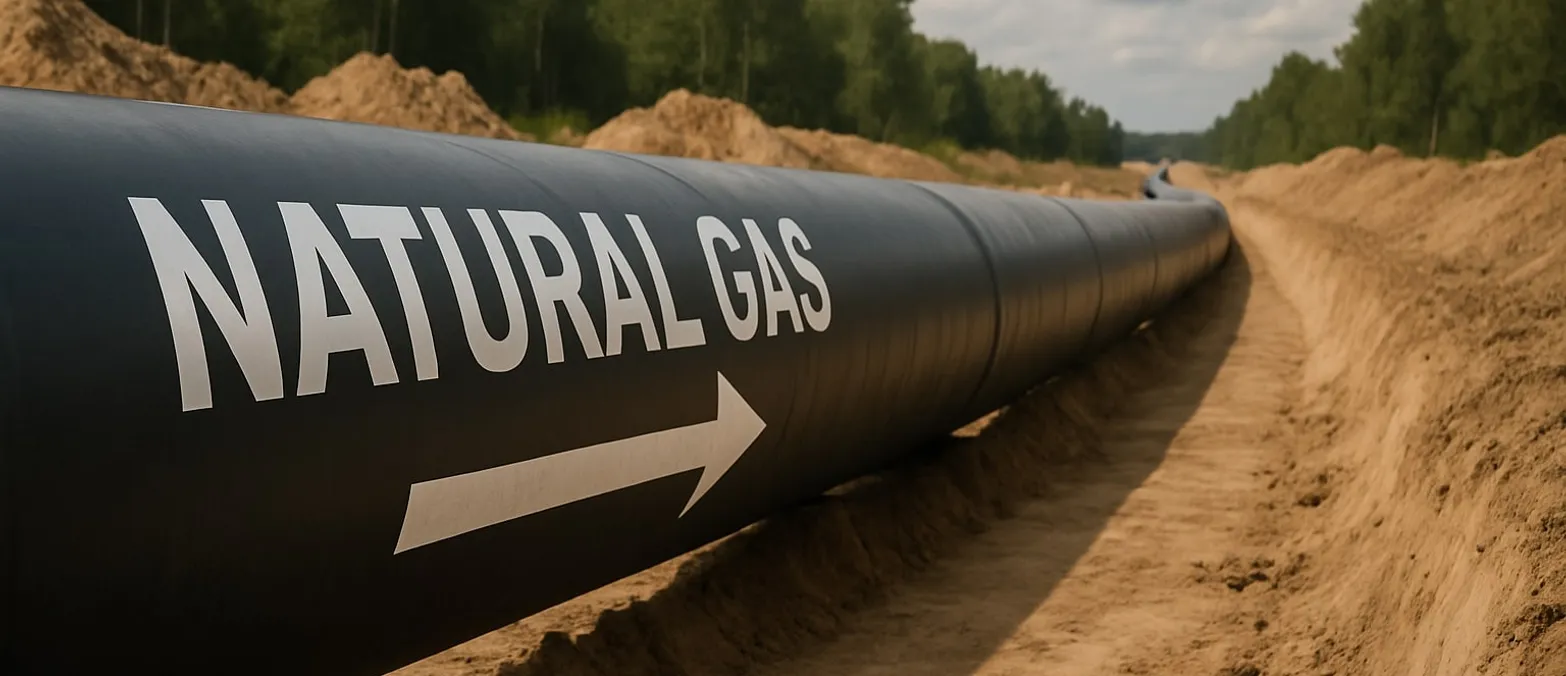
Putin and Xi Construct Mega Pipeline for Natural Gas
The Power of Siberia 2: A Pipeline with Potential and Peril
In an era marked by geopolitical tension, Russia and China have inked a landmark agreement to construct the Power of Siberia 2 pipeline, promising to channel up to 50 billion cubic meters of gas annually. This venture, which projects tighter bilateral ties, offers Russia a vital new market and provides China with a secure and cost-efficient energy source. Yet, details about the timeline, expenses, and pricing remain shrouded in uncertainty.
A High-Stakes Energy Partnership
On September 2, 2025, a handshake between Moscow and Beijing signified more than a simple energy deal: it was a geopolitical statement. The newly signed "legally binding memorandum" between Russia and China sets the foundation for the long-delayed Power of Siberia 2 pipeline, intended to transport natural gas from Western Siberia through Mongolia to northern China. For Moscow, this agreement represents a lifeline amid severely reduced European gas imports, while for Beijing, it is a safeguard against geopolitical risks.
The timing of the agreement, amid ongoing conflicts in Ukraine and the shadow of Western sanctions, showcases Russia's resilience against economic isolation. Russian energy giant Gazprom praised the project as the "largest, most capital-intensive in the global gas industry," positioning it as a defiant move against any economic marginalization.
Promises on Paper
Beneath the glossy facade of diplomacy between Russian President Vladimir Putin and China's Xi Jinping, significant uncertainties linger. Despite political approvals, specific logistics like delivery volumes, pricing, and construction timelines remain undefined. Putin alluded to a "market-driven pricing formula" favorable to China but avoided disclosing any figures. Gazprom only indicated that prices would undershoot European levels.
Whether China will commit to fixed supply quantities over the long term is still undecided—a crucial element if Russia intends to commit for three decades. Analysts recall that it took nearly ten years from memorandum to final investment in the initial Power of Siberia project. So far, the new pipeline exists merely as a proposal, with speculative costs estimated anywhere from $13.6 billion to $34 billion. Despite its grand portrayal, the project rests on tenuous economical ground.
More than Just Energy: A Symbol of a Changing World Order?
Despite these uncertainties, the agreement reverberates beyond the energy sector, signifying a foundational shift in global dynamics. As the EU and U.S. aim to diminish Russia’s energy clout, China is strategically reinforcing its support—not out of altruism but calculated pragmatism. Beijing secures favorable gas imports for decades, while Moscow strives to recoup the loss of over 120 billion cubic meters of exports once destined for Europe.
Observers interpret this as an evolution towards a multipolar world, with Eurasia fortifying its stance against Western hegemony. However, whether the pipeline will deliver as planned remains uncertain. The agreement exemplifies the geopolitical quandary—a potent symbol of autonomy simultaneously tethered by dependencies. Russia needs China more than the reverse, an imbalance that underscores the dramatic intricacies of this venture, extending beyond just technical details.
Author
Headlines

Consent was never given.
You need to first accept consent to see this content from TradingView.