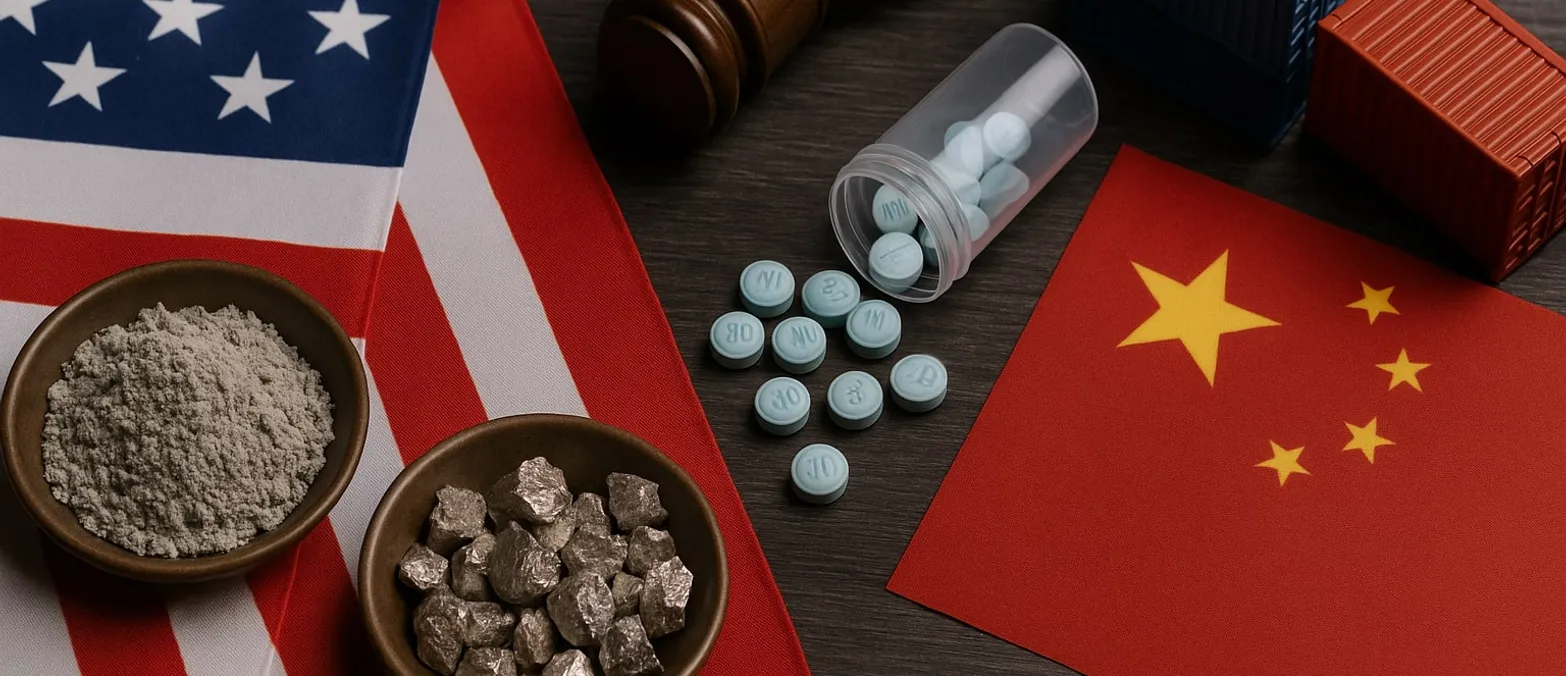
Rare Earths and Fentanyl: Trump Cuts China Tariffs After Meeting with Xi
Trade Truce: Trump and Xi Forge Historic Agreement Amidst Tensions
In a surprising diplomatic breakthrough, President Donald Trump and Chinese leader Xi Jinping settled a bitter trade dispute in less than two hours during talks in Busan. The agreement halts China's planned tightening of rare earth export controls for a year while promising a tougher stance against Fentanyl trafficking. In response, Trump announced a substantial reduction in tariffs on Chinese goods, paving the way for economic reprieve and signaling a possible thaw in relations.
China's Rare Earth Reversal: A Lifeline for U.S. Tech
China's move to suspend its forthcoming export controls on rare earth elements for a year marks a significant shift, potentially saving U.S. tech firms from a looming resource crisis. These elements, critical for the production of smartphones, electric vehicles, and military hardware, were previously under threat as China planned to not only curb their export but also cease sharing extraction and processing technology. The year-long moratorium offers much-needed stability and planning assurance for the global supply chain.
Tariff Rollback Eases Trade War Tensions
President Trump’s decision to lower tariffs on Chinese goods from 57 to 47 percent, coupled with halving the punitive tariffs on Fentanyl, signifies a de-escalation in the trade war. The initial tariffs had escalated tensions, with China responding equally harshly, nearly paralyzing bilateral trade. With the Busan meeting’s results, the prospect of increased tariffs is sidelined, marking an apparent end to this economic standoff.
Boost for American Farmers: China's Agricultural Commitments
Amidst this détente, China has pledged to purchase "enormous quantities" of American soybeans and other agricultural products, a saving grace for U.S. farmers hit hardest by the trade war. These commitments could restore billions in revenues and revitalize Trump's crucial voter base in the agricultural sector. Additionally, China plans to import oil and gas from Alaska, further solidifying economic ties and potential prosperity for U.S. energy sectors.
Surprising Solidarity: A Positive Diplomatic Turn
Experts were taken aback by the unexpectedly positive atmosphere between Trump and Xi, signaling a potentially transformative phase in U.S.-China relations following years of friction. Both leaders expressed mutual respect and optimism, with Trump lauding Xi’s efforts on recent geopolitical issues. Reciprocal visits by Trump to China in April 2026 and subsequently by Xi to the U.S. highlight a new chapter aiming to stabilize economic relations and reduce global tensions.
Frequently Asked Questions
What are rare earth elements, and why are they crucial?
Rare earth elements consist of 17 chemical elements vital for modern technology, including components in smartphones, electric vehicles, wind turbines, semiconductors, and military equipment. With over 80 percent control over global production, China wields significant geopolitical influence. These elements are essential for manufacturing products like iPhones, Teslas, and advanced fighter jets, making Western economies highly dependent on Chinese supplies.
Why did Trump reduce tariffs on Chinese goods?
Trump’s tariff reduction from 57 to 47 percent emerged as a strategic move following China's concessions regarding rare earth exports and Fentanyl control. Initially, the high tariffs had severely wounded trade, impacting both economies. China's agreement to purchase American agricultural and energy products supports Trump's voter base and incentivizes further cooperation, without the U.S. appearing to concede ground.
What is Fentanyl, and why is it problematic?
Fentanyl, a synthetic opioid 50 times more potent than heroin, is at the heart of a severe opioid crisis in the U.S., claiming over 70,000 lives annually. The drug’s production, mostly rooted in China, has prompted American demands for stricter controls. China's commitment to curb Fentanyl exports could save thousands of lives, which also prompted Trump to decrease Fentanyl tariffs as a sign of gratitude for China’s cooperation.
How does this agreement affect Germany?
Germany stands to benefit from the reduced tensions between the U.S. and China, as stable rare earth supply chains will reassure industrial production, especially in enterprises like BMW, Mercedes, and Siemens. While the global economic climate improves with diminished geopolitical tensions, Germany remains reliant on China's raw materials, presenting enduring strategic vulnerabilities.
Author
Headlines

Consent was never given.
You need to first accept consent to see this content from TradingView.