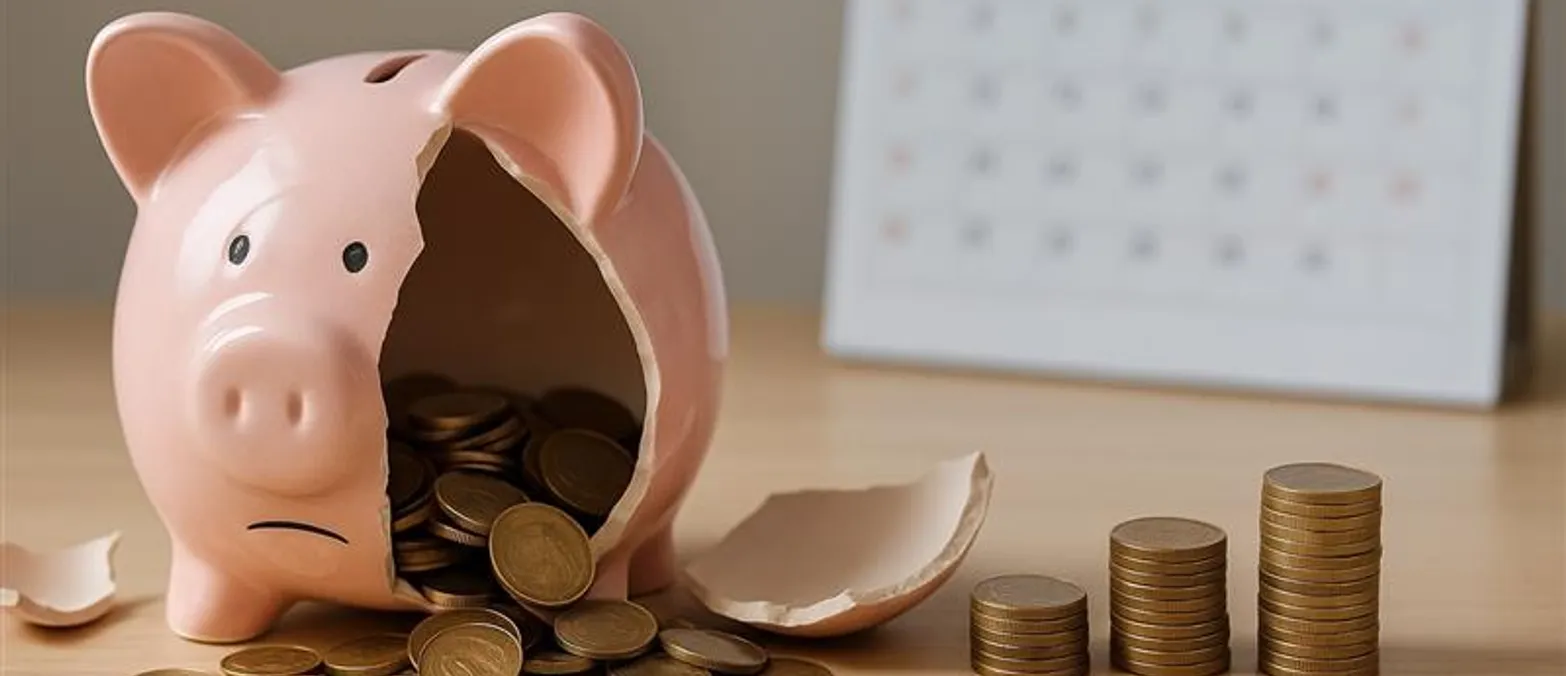
Small Change and Savings: Guiding Your Path to Greater Financial Security
The Essential Cushion: Understanding and Building Your Emergency Fund
We often talk about having some money set aside as a comfort blanket, but how much is really enough? And what exactly do we mean when we refer to an emergency fund?
If you've ever found yourself unexpectedly unemployed or faced with sudden expenses like a costly dental bill, a broken-down car, or a surprise move, you know that a financial cushion isn't just a luxury—it's a crucial piece of security. The better prepared this cushion is, the more soundly you can sleep at night.
What is an Emergency Fund?
An emergency fund is a sum of money saved strictly for unforeseen events. It's not for vacations, a new smartphone, or stylish home decor. It's for real emergencies—situations where income halts or there's a significant, unexpected expense.
This concept is straightforward: an emergency fund is money you can access quickly without needing to take out loans or sell stocks. The keywords are security, flexibility, and maneuverability.
How Much Should You Set Aside?
According to the Schleswig-Holstein Consumer Advice Center, aiming to save the equivalent of two to three months' salary is advisable. This recommendation comes from extensive experience in private financial planning advice. As an independent body, they inform and assist consumers on financial, legal, and daily matters.
This timeframe is essential as it covers the period many people must bridge in case of emergencies. If suddenly unemployed, out of work due to illness, or faced with a large expense, few have immediate access to a full income. Two to three months is often enough to apply for state aid, find a new job, or reorganize one's budget without panicking or accruing debt.
An adequately large cushion also prevents you from making hasty financial decisions under pressure, such as prematurely canceling insurance policies, selling investments in a rush, or taking out expensive instant loans. A sufficient cushion not only provides financial but also mental space. Knowing that the essential costs are covered allows for much calmer actions.
A financial buffer strengthens the sense of security in everyday life: it fosters a confident handling of money and offers the necessary independence in emergencies.
Calculating Your Emergency Fund
To calculate your individual emergency fund, you need an overview of your monthly fixed costs. This includes expenses such as rent, utilities, groceries, insurance, subscriptions, childcare, transportation, and other regular payments. Add up these amounts and multiply by at least three months. For instance, if you spend $1,500 a month on essentials, plan for a reserve of at least $4,500. Depending on your situation, this amount might need to be higher, especially for freelancers or single-income households. Even smaller amounts offer protection. The key is consistent and steady saving.
Who Needs a Hefty Cushion?
Not every life situation is the same. Those with permanent full-time jobs and low consumption risks might manage with three months' savings. Others, however, need significantly more reserves. Particularly affected are:
- Freelancers and self-employed individuals with variable income: Contracts don't always come regularly. A financial cushion bridges weak revenue phases without sparking existential fears.
- Parents requiring more flexibility in family life: Kids come with unpredictable costs due to illness, unexpected purchases, or care breakdowns. A buffer adds security and room to breathe.
- Single-income households: When one person sustains the household, any loss of income means all revenue stops. Reserves are vital to continue financing daily life.
- Individuals with high fixed costs, such as loans or pricey rents: Fixed costs are hard to reduce quickly. An emergency fund prevents such obligations from leading to financial difficulties.
- Workers in seasonal or crisis-prone industries: Those in hospitality, tourism, or creative roles experience significant fluctuations. Reserves offer stability when gigs or shifts suddenly disappear.
If you identify with any of these groups, it's wise to save for six to nine months, or even more.
Best Places to Keep Your Emergency Fund
A common mistake is letting your emergency fund "work" by fully investing it in stocks, cryptocurrencies, or real estate funds. This exposes you to significant losses in a crisis. While these investment vehicles offer excellent returns over the long term, their short-term fluctuations make them unsuitable buffers.
Cryptocurrencies, in particular, are incredibly volatile, capable of losing half their value in hours or days. Such drops often aren't tied to economic shifts but are driven by market mood, speculation, or political action. In an emergency, you might need to sell at the worst time or face delays if trading platforms encounter technical issues.
Similarly, stock markets are prone to sudden swings. Geopolitical, economic disruptions or unexpected company news can trigger instant price drops. Selling in such moments often results in losses, even if prices rebound long-term. Unlike secure savings accounts, these investment options lack the ability to simply wait for the right moment if you need money immediately.
Back to Basics: The Role of a Savings Account and Separate Subaccount
Why does it make sense to keep your emergency fund in a savings account or a separate subaccount? Because these accounts provide what's critical in an emergency: safety, immediate access, and no value depreciation.
A savings account is an interest-bearing account with daily access. It's not for transactions, but for safely storing funds without missing out on interest. A separate subaccount serves a similar purpose, keeping funds distinct from your main account, helping avoid accidental spending.
Both account types offer quick, straightforward access to savings in a pinch. They shield your funds from the fluctuations associated with riskier investments like stocks, cryptocurrencies, or funds.
Liquidity takes precedence over returns: An emergency fund isn't about maximizing profit but serving as a financial shield in exceptional times. Thus, constant availability is crucial. Your money is best kept in an easily accessible savings account, subaccount, or a well-managed checking account. A classic savings book could also work if access is always hassle-free.
How to Build an Emergency Fund Efficiently
Starting an emergency fund begins with small steps. The focus is on regular and automated savings. By transferring a set amount to a separate account each month, you'll see progress in just a few months.
Useful tips include:
- Automation: Set up automatic transfers to save without thinking.
- Timing: Transfer right after income comes in; what you never "see" in the account, you won't spend.
- Prioritization: Place higher importance on the emergency fund over impulse purchases or lifestyle expenses.
- Sacrifice: Cut down on small buys, like takeaway coffee, delivery services, or unnecessary subscriptions.
- Goal-setting: Define specific amounts and time frames, such as "three months' rent by December."
Even $50 or $100 monthly can make a long-term impact. What's important isn't the amount but the consistency.
Additional Ways to Protect Yourself
An emergency fund is the first "defense layer," but not the only one. For further security, consider:
- Reviewing insurance: Look into disability, liability, or home insurance.
- Generating side income: Through freelance jobs, for example.
- Cutting fixed costs: Optimize contracts, reduce consumption.
- Paying down debt: Pay off loans, shorten repayments.
A Strong Emergency Fund: Not a Luxury, but Quality of Life
A financial cushion doesn't just guard against crises; it brings day-to-day peace. It changes perspective—from merely getting by month-to-month to having the power to decide when to act and when to wait. When not forced to react immediately in a crisis, decisions are made more thoughtfully. Now might be the time to actively pursue financial independence. What choices could you make if money worries were a thing of the past?
Common Questions About Emergency Funds:
- How much money should be in my bank account?
Ideally, keep enough to cover two to three months of fixed expenses. Excess capital might be better parked in a savings or investment account. - What’s a good emergency fund for retirement?
It's recommended to hold at least six to twelve months of living expenses in readily accessible form to manage unforeseen costs stress-free. - How much should I have saved by age 60?
A rough rule of thumb: by age 60, aim to have seven to eight times your annual income saved for a relaxed retirement. - What is the 50/30/20 rule?
This budgeting guideline suggests allocating 50% of income to necessities, 30% to wants, and 20% to savings or debt repayment. - Where should the emergency fund be stored?
Your emergency fund is best held in a savings account or separate subaccount that's easily accessible and stable. - How much money can I store at home?
There's no legal cap on storing cash at home, but for security, experts recommend only a few thousand dollars. - Is it legal to keep cash at home?
Yes, keeping cash at home is legal as long as it's from legitimate sources. Large amounts might prompt inquiries when deposited.
Headlines

Consent was never given.
You need to first accept consent to see this content from TradingView.