US Newsflash: Trump Invests in Bonds, Criticizes Powell; Meta Pursues Super AI
Trump Pressures Powell for Rate Cuts Amid Housing Concerns
Once again, former President Donald Trump has taken to his platform, Truth Social, to criticize Federal Reserve Chair Jerome Powell. Trump accuses Powell of putting undue strain on the U.S. real estate market by maintaining high interest rates that make it difficult for people to secure mortgages. Trump's demand? A substantial reduction in interest rates. This critique comes just as investors keenly await Powell's speech at the influential Federal Reserve meeting in Jackson Hole, where he might signal future policy shifts.
Rate Debate Intensifies Amid Inflation Concerns
The context here is the ongoing dialogue surrounding inflation and monetary policy. While inflation has mellowed from its pandemic highs, it remains above the Federal Reserve's 2% target. Many investors anticipate a modest 0.25% rate cut in September—far milder than Trump's more radical proposal. Interest rates impact not only mortgages but also business loans and the federal budget. Homebuyers continue to grapple with an intense situation as the rate for a 30-year mortgage hovers around 6.7%.
U.S.-China Trade Talks: A Smoother Path
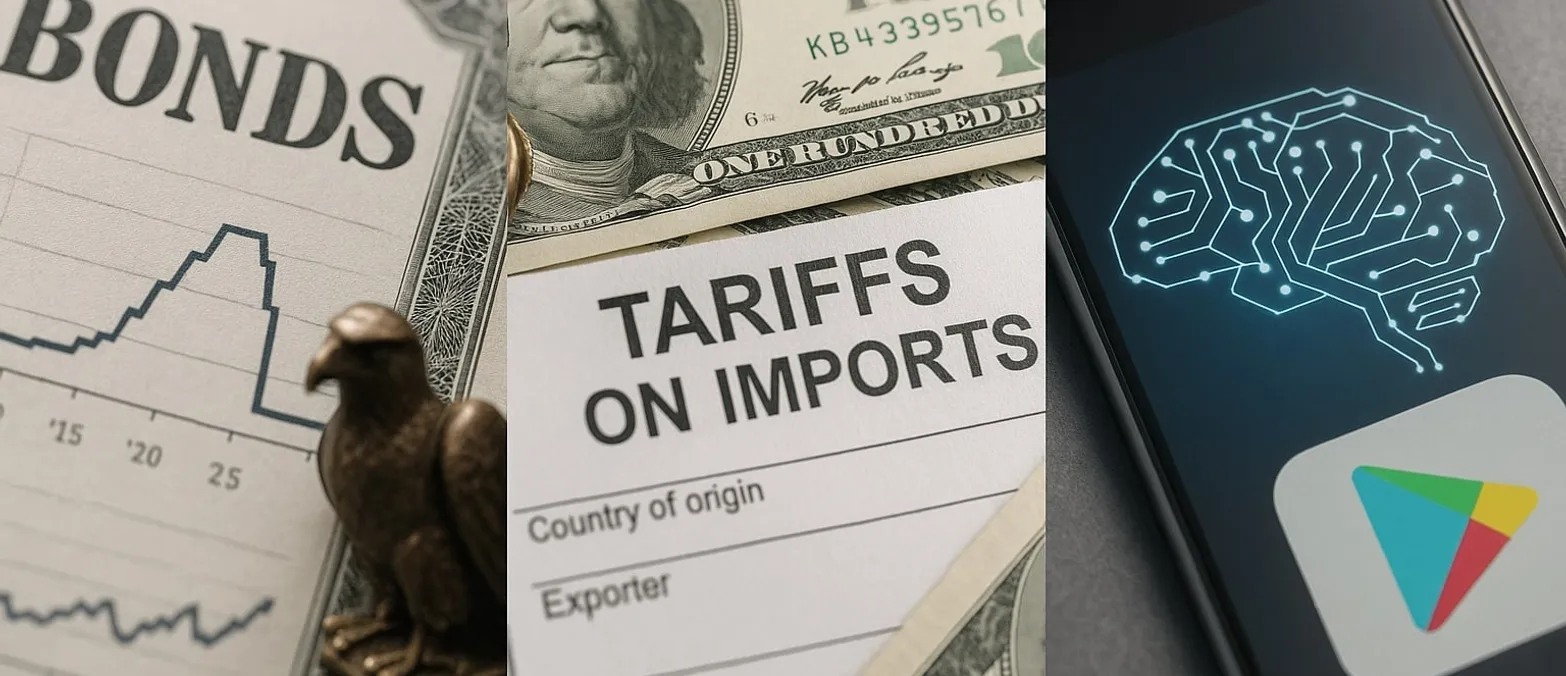
In a recent television interview, U.S. Treasury Secretary Scott Bessent praised the existing tariff arrangements with China, saying they "work quite well" from a governmental perspective. The current status is favorable given China's role as a primary source of tariff revenue. Bessent also hinted at upcoming talks with Beijing before the current tariff pause expires in November, suggesting a possible meeting between Trump and Chinese President Xi Jinping. These statements imply a softened U.S. stance towards China, especially after both nations recently eased trade restrictions on critical materials like rare earth elements.
Trump's Bond Buying Spree: What Does It Mean?
Since returning to office, Trump has reportedly acquired at least $103.7 million in bonds. According to a White House report, these acquisitions span municipal bonds for cities, schools, and airports alongside corporate bonds from major U.S. firms such as Qualcomm, Home Depot, and Meta. Notably, Trump made these purchases during his tenure without reporting any sales. He's thus the first president since the Ethics in Government Act of 1978 to retain his assets outside of a blind trust, opting instead to have his sons manage his business empire, which is closely tied to his political moves. Critics warn of potential conflicts of interest, given Trump's interactions with businesses directly impacted by his tariffs and policy choices. His wealth is estimated at $6.4 billion, according to the Bloomberg Billionaires Index.
Meta’s AI Ambitions: Chasing Superintelligence
Meta is doubling down on its artificial intelligence efforts, restructuring its AI division into four distinct teams. As per an internal memo from Alexandr Wang, Meta's new Chief AI Officer, this reorganization is meant to accelerate the pursuit of "superintelligence"—AI that can surpass human capabilities across various tasks. The teams, named TBD Lab, FAIR, Products and Applied Research, and MSL Infra, will focus on everything from foundational research to product development and infrastructure. Despite the reshuffle, no layoffs have occurred, with AI experts being redeployed. This strategic move keeps Meta competitive with rivals like OpenAI and Google. Meta CEO Mark Zuckerberg has committed billions towards recruiting top talent and advancing technology, reacting to significant shifts in the AI landscape that necessitate integrating research more seamlessly with practical applications.
Google's Play Store Overhaul Following EU Pressure
In response to the European Union's demands, Google is overhauling its Play Store fee structure across Europe. Developers can now direct users to make payments outside of the Play Store ecosystem, a significant change driven by the EU's long-standing insistence. Previously set at a 10% fee, Google's charge will now be reduced to 3% for the initial transaction, with a new tiered fee model introduced. This change affects 30 European countries, including Germany. However, Google has cautioned that this shift might elevate security risks for Android users. The revisions come after discussions with the EU Commission, which has instituted stringent regulations to curb anti-competitive practices. Known as the Digital Markets Act (DMA), the directive permits penalties up to 10% of global turnover, having already cost tech giants like Apple and Meta hundreds of millions in fines. Google's compliance is a strategic attempt to avoid further billion-dollar penalties, considering its past fines exceeding 8 billion euros from the EU.
This concludes our U.S. news update. Stay tuned for the next edition coming next Wednesday!
Author
Headlines

Consent was never given.
You need to first accept consent to see this content from TradingView.