AI Arms Race 2.0: Why Microchips Are Becoming the New Geopolitical Weapon
Silicon's Supremacy: The Hidden Power Struggle Shaping AI
When discussing Artificial Intelligence today, our minds often leap to chatbots, image generators, and autonomous assistants. However, beneath the sleek façade of these digital helpers lies a power struggle that’s pivotal to economic dominance and military prowess on a global scale. In this AI era, the true bottleneck isn't data—it's chips. High-performance semiconductors have emerged as the new strategic resources and are increasingly wielded like geopolitical weapons.
The U.S. Grip on Chip Exports
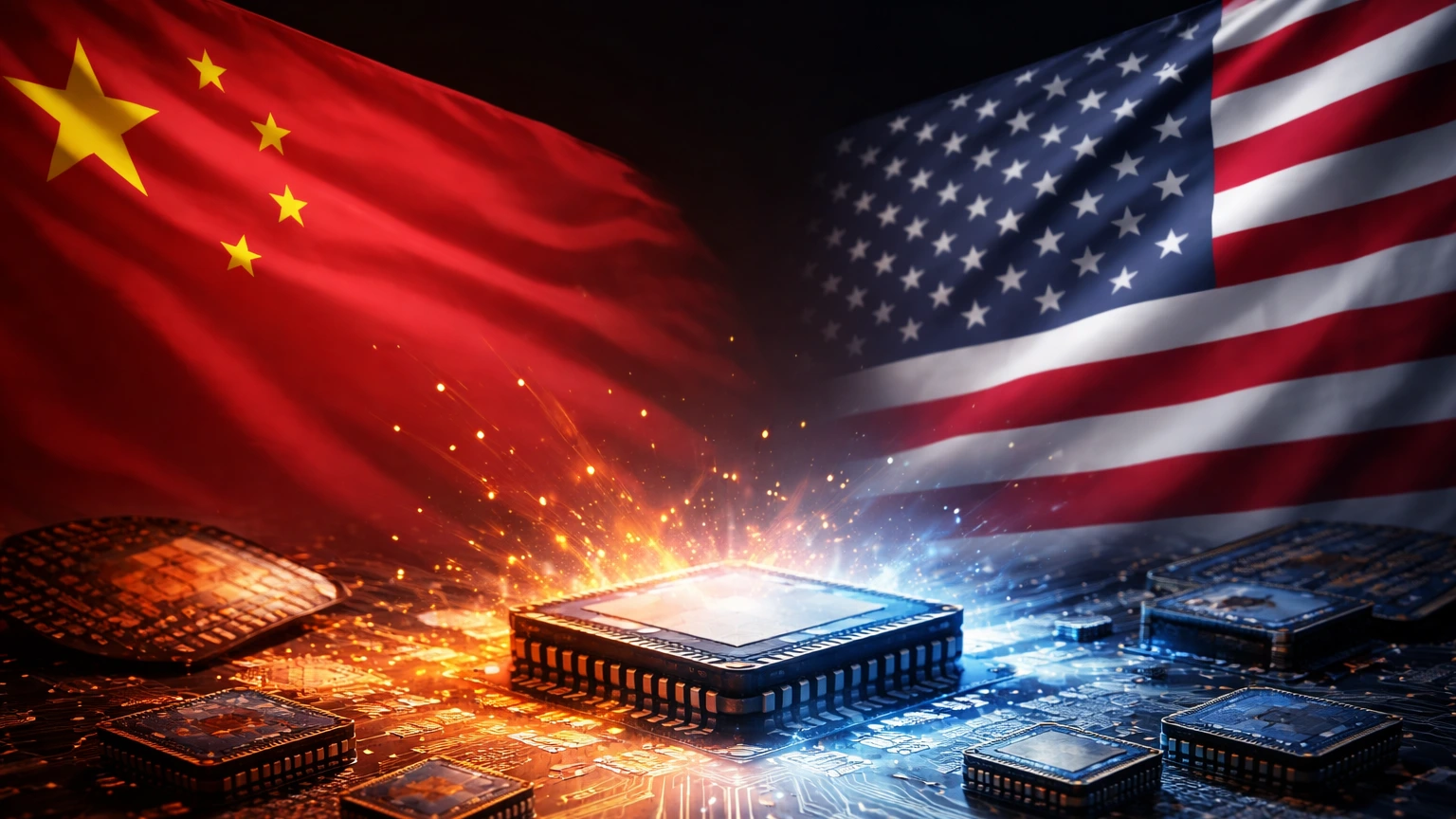
The United States has ramped up export restrictions to limit China's access to cutting-edge AI chips from companies like Nvidia. In retaliation, China has imposed controls on rare earth materials while making hefty investments in its own chip development. This marks a new phase in the AI race, where control over critical chokepoints in global value chains is paramount.
Computing Power: The Ultimate Dominance
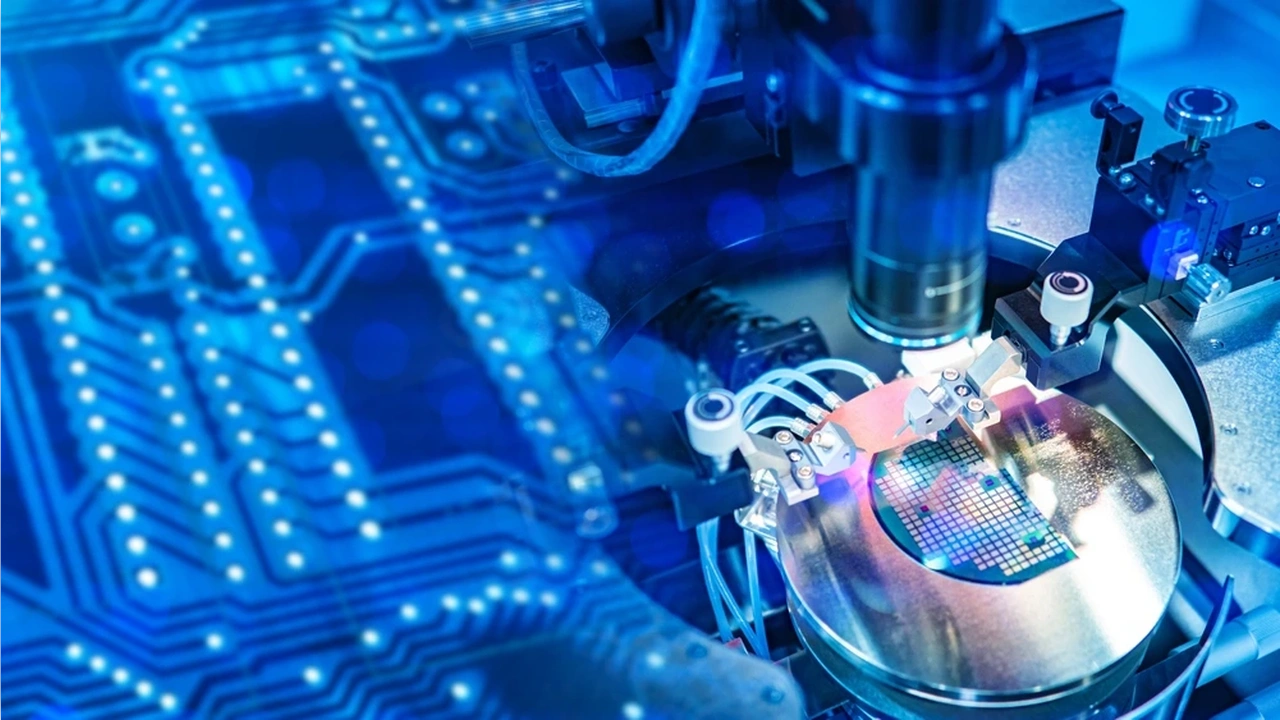
AI thrives on data, yet it is the computational might that is indispensable. Modern AI models, comprised of billions of parameters, require incessant training and refinement. Without the high-performance chips from Nvidia, AMD, or similar manufacturers, this process remains a daunting challenge. These chips form the backbone of today's language models, autonomous systems, military simulations, and real-time analytics platforms. Simply put, the more powerful the chip, the faster a model can be trained—and the greater the competitive edge.
A Weaponized Interdependence
In 2022, under President Joe Biden, the U.S. instituted extensive export controls for advanced logic and memory chips. Exporting these semiconductors to China now requires a special license, which is rarely granted. This strategy transcends merely hampering individual businesses; it aims to decelerate China's technological rise comprehensively.
The rationale is straightforward but profound. Global production networks have yielded immense efficiency gains over the past decades. Yet, they've also forged dependencies. In the realm of political economy, such dependencies can be turned into strategic levers—a phenomenon termed weaponized interdependence. Control over key nodes in global supply chains can pressure nations, turning chokepoints into geopolitical levers.
China, meanwhile, wields its strategic levers. The country is responsible for about 70% of global rare earth element production and 90% of their refinement—crucial materials for electric motors, sensors, lasers, and semiconductors. In 2025, when Beijing announced export controls on several such elements, the message was clear: China, too, can exert pressure.
Dual-Use Dilemma: Civil Meets Military
Semiconductors are classic dual-use goods, crucial for both civilian applications and military purposes—making them politically sensitive. The Chinese strategy of military-civil fusion—integrating civilian research with military goals—heightens this perception in the West. If a chip can train a language model, it can also coordinate drone swarms or expedite military target analysis. Thus, the line between civil innovation and security relevance blurs.
While the U.S. now occasionally authorizes individual exports of certain chips to China, the strategic foundation remains: to secure and maximize technological supremacy.
China's Quest for Semiconductor Sovereignty
Beijing’s response has been to invest heavily in its semiconductor industry. Companies like Cambricon are pioneering domestic AI processors, while state-sponsored programs aim to gradually lessen dependency on Western technology. From chip design to manufacturing, the entire value chain has become a top industrial policy priority.
Through strategic investments and developments, China bolsters its independence in the semiconductor sector.
Concurrently, China exploits its strengths elsewhere as leverage. The nation’s controls on gallium, germanium, and rare earth exports demonstrate its grip on strategic chokepoints. The AI race has thus evolved into a dynamic contest in which both sides strive to enhance structural advantages while minimizing vulnerabilities.
AI Chips: Geopolitical Weapons of the Modern Era
The chip conflict extends beyond industrial narratives. Nations are securing production capacities, dominating design software, restricting exports, and redefining security standards. For a long time, global interdependence was seen as a promise for stability. Today, it’s perceived as a potential risk—and a strategic opportunity. Silicon has become the critical resource of the 21st century. Computational power is the fuel for AI, and controlling this fuel sets the pace. Export controls, licensing procedures, access to raw materials, and patent dominance have become instruments of geopolitical power.
Headlines

Consent was never given.
You need to first accept consent to see this content from TradingView.