The Chip War Over Taiwan: Why Apple and Nvidia Are Shifting Production
Author
Is the Global Chip Industry Moving to Break its Taiwan Dependency?
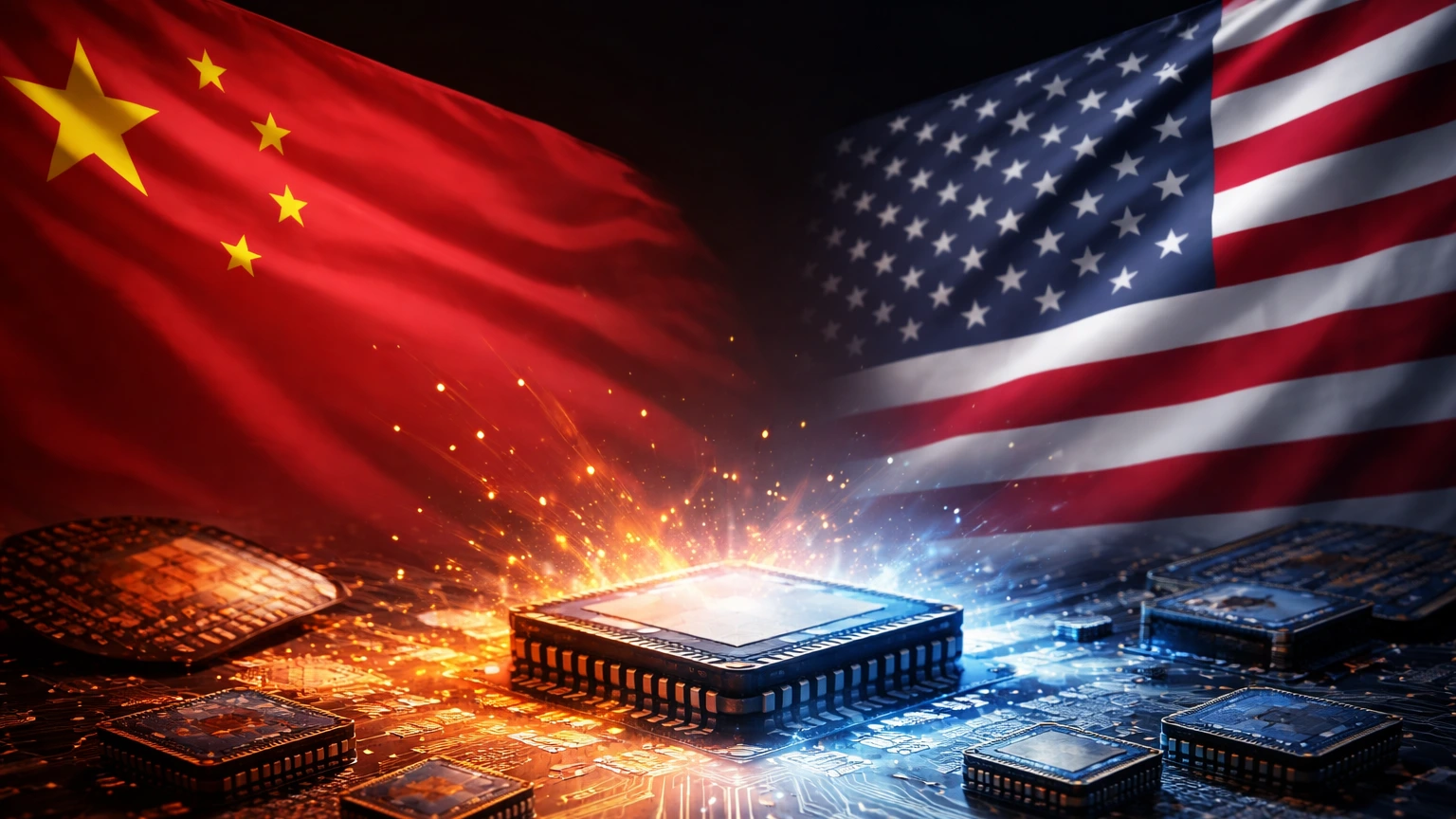
For decades, the possibility of Taiwan being blockaded by China has loomed over the global tech sector like a dark cloud. Such a blockade could cripple global supply chains, as a huge portion of the world’s state-of-the-art semiconductors are manufactured by Taiwan Semiconductor Manufacturing Company (TSMC). Yet, despite well-publicized risks, tech giants have remained largely unchanged in their reliance on Taiwan, drawn by its technological prowess and cost efficiency. But is this dependency sustainable, or are geopolitical tensions rewriting the rules?
The Chip Industry's Reliance on Taiwan
China's potential control over the sea and air routes surrounding Taiwan poses one of the most significant geopolitical threats to the tech industry. Despite this looming risk, numerous tech companies, from Apple to Nvidia, have historically made little effort to diversify their supply chains. The apparent readiness to gamble with geopolitics stems from Taiwan's unmatched semiconductor capabilities and favorable production costs.
Safety Versus Profit: The Chip Crisis Conundrum
Experts have been sounding the alarm on the potential for a chip crisis instigated by Taiwanese political conflicts for years, yet U.S. tech firms have been slow to localize manufacturing. Why? It's a question of money. Building semiconductor fabs stateside traditionally comes with a 25-30% cost premium over Taiwan. Consequently, as long as peace prevails, firms opting for Taiwanese production maximize their margins.
The Shift: Building a Chip Strategy in the West
Today, we find ourselves in the midst of a strategic pivot. As of early 2026, both the United States and Europe have consciously recognized Taiwan dependency as a critical vulnerability in their technological infrastructures. With geopolitical stability uncertain, massive government incentives in the form of tax credits and subsidies have been introduced to encourage domestic production. The U.S. CHIPS and Science Act and the European Union’s Chips Act have brought billions in funds to champion this transition.
Chasing the Billion-Dollar Goal: New Chip Factories
America’s trade policy now aims at a methodical reshoring of semiconductor manufacturing, fueled by the CHIPS Act's multibillion-dollar injections into companies like Intel, TSMC, and Samsung. Though Intel, for example, isn't under government control, it receives substantial support to fortify domestic semiconductor production — a national safety net, of sorts, should international tensions disrupt chip supply.
The Unfinished Journey: Finalizing Supply Chains
Despite the influx of resources, a critical bottleneck persists. While chips are increasingly crafted in American factories, the advanced packaging processes — the final steps in the production pipeline — remain primarily conducted in Taiwan and Southeast Asia. As a result, many American-produced chips find themselves making a transpacific journey before being integrated into crucial tech products, leaving the chip supply chain’s completion elusive and region-reliant.
Why a Global Chip Production Landscape Endures
Geopolitical concerns are undeniably steering the tech industry's strategic compass, yet the journey toward comprehensive supply chain sovereignty is far from complete. As the chip-making landscape attempts to reduce its global footprint, fundamental production steps anchored in Asia signal that the semiconductor sector will remain inherently interconnected globally. Until full-fledged supply chains are seamlessly established outside of Asia, the specter of geopolitical strains will linger over the semiconductor industry.
FAQ
Who is the world's largest chipmaker?
The largest contract-based semiconductor manufacturer is Taiwan-based TSMC. It produces chips for numerous leading tech companies like Apple, Nvidia, and AMD.
How is a chip made?
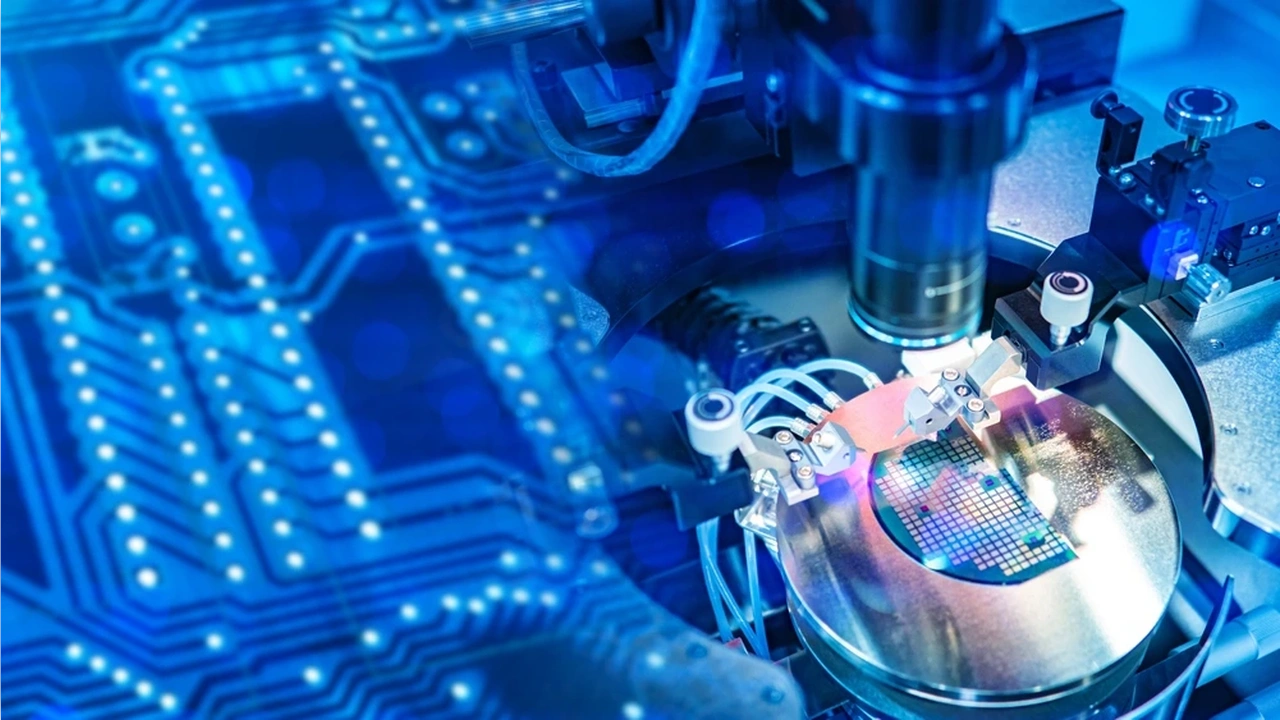
Chips are crafted from silicon, using lithography to impress billions of transistors onto silicon wafers, which are then assembled into functional units.
Author
Headlines

Consent was never given.
You need to first accept consent to see this content from TradingView.