Robotics 2025: Are Machines Taking Over While We Just Watch?
The Rise of Robotics: Bridging the Sci-Fi-Real World Divide
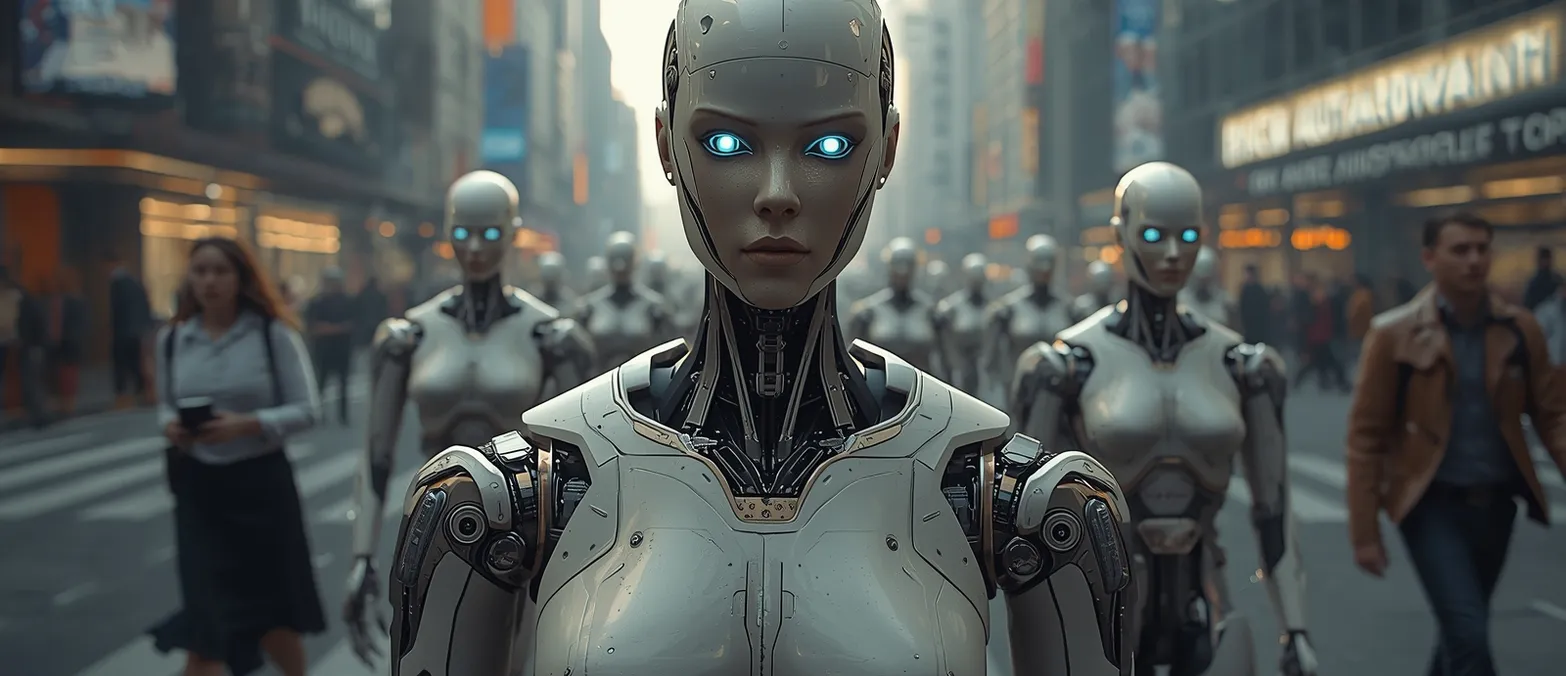
What was once deemed a distant sci-fi fantasy is now an industrial reality. In 2025, the field of robotics has reached a turning point, thanks to innovations in hardware, artificial intelligence, and industrial scaling. From BMW's humanoid robots precisely assembling metal parts in the U.S. to Amazon's autonomous machines weaving through warehouses and Japanese hospitals using robots for surgery, the integration of robotics today blurs the lines between science fiction and our daily lives.
Robots: Surpassing Human Capabilities
The numbers speak volumes: global robot density in factories has more than doubled in seven years. By 2023, the worldwide average had reached 162 robots per 10,000 employees, up from 74 in 2016. South Korea leads the pack with over 1,000 robots per 10,000 factory workers—a level of automation that was inconceivable a decade ago. China, now third globally, boasts 470 robots per 10,000 employees, surpassing Germany and Japan.
In Amazon's warehouses, the Proteus robot autonomously navigates, recognizing and avoiding people. The company is also testing humanoid robots in San Francisco to deliver packages directly to doorsteps—potentially revolutionizing the last mile delivery segment. Agility Robotics in the U.S. is developing a similar project with their Digit robot, which can walk upright, carry up to 35 pounds, and compute delivery routes independently.
In Germany, automation also thrives; BMW, in collaboration with Figure AI, deploys the Figure 02 humanoid robot, which can place metal sheets into welding fixtures with precision, further integrating robotics into their assembly processes.
The Robotics Race: Competing on New Frontiers
Tesla, a pioneer in advanced industrial robotics, is actively expanding its Optimus project, with hundreds of units sorting battery cells and learning new tasks within its factories. Analysts predict that Tesla could deploy over 1,000 Optimus robots by year-end.
Robotic innovation isn't just limited to the manufacturing sector; agriculture is quietly undergoing a robotics revolution. Autonomous tractors using AI can differentiate between crops and weeds to apply pesticides precisely. Fruit-picking robots harvest delicate produce like strawberries without damage. In construction, robots lay bricks three times faster than human workers, weld steel beams, and handle hazardous tasks, boosting productivity and safety.
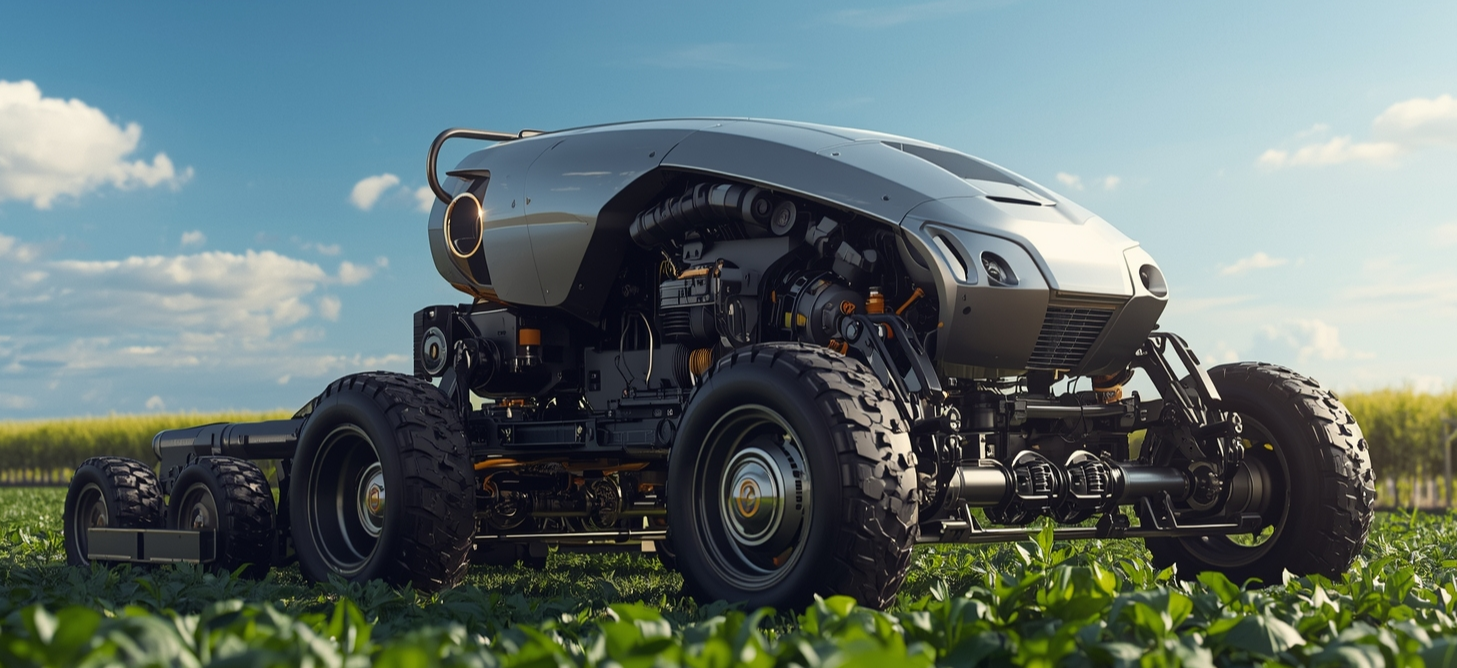
Agricultural robots are addressing labor shortages and are on the rise in the western world.
In medical advancements, the da Vinci surgical system by Intuitive Surgery has performed millions of minimally invasive procedures globally. The latest models incorporate AI to analyze images during operations and alert surgeons to anomalies. Care robots assist in lifting patients, delivering medication, and monitoring vital signs.
Learning in Days, Mastering in Seconds
Today’s robotics feature generative artificial intelligence, a stark contrast from earlier eras where each movement had to be manually programmed. Now, systems learn through observation and experience. The Figure 01 robot utilizes OpenAI's GPT language models to comprehend natural communication; a worker can instruct it—“Pick up the box on the left and put it on the top shelf”—and the robot will understand, plan, and execute the task without needing specialized programming skills.
Boston Dynamics showcases rapid learning with its Atlas robot, which employs reinforcement learning to optimize movements through trial and error. In partnership with Toyota Research Institute, they’ve developed Large Behavior Models, allowing robots to observe, learn, and teach new skills across their network instantaneously.
Debating the Perfect Robot Form
The convergence of robotics and AI yields ever-evolving capabilities. Robots no longer just respond to predefined situations but adapt dynamically. If an object drops or a box closes unexpectedly, AI evaluates and devises solutions spontaneously. Yet, debates simmer about the optimal robot design. Humanoid robots are fascinating but complex and expensive.
Proponents of humanoid robotics argue that our world is designed for human operation—stairs, door handles, tools—all structured for human measurements. Humanoid robots can fit and function in these environments without requiring infrastructure overhauls. Tesla CEO Elon Musk insists that Optimus should work seamlessly where humans do, avoiding costly modifications.
Critics point out the technical challenges. Bipedal movement requires constant balance adjustments and high energy consumption. Boston Dynamics’ Spot quadruped navigates uneven terrains with more stability, and ABB robotic arms weld faster and more accurately.
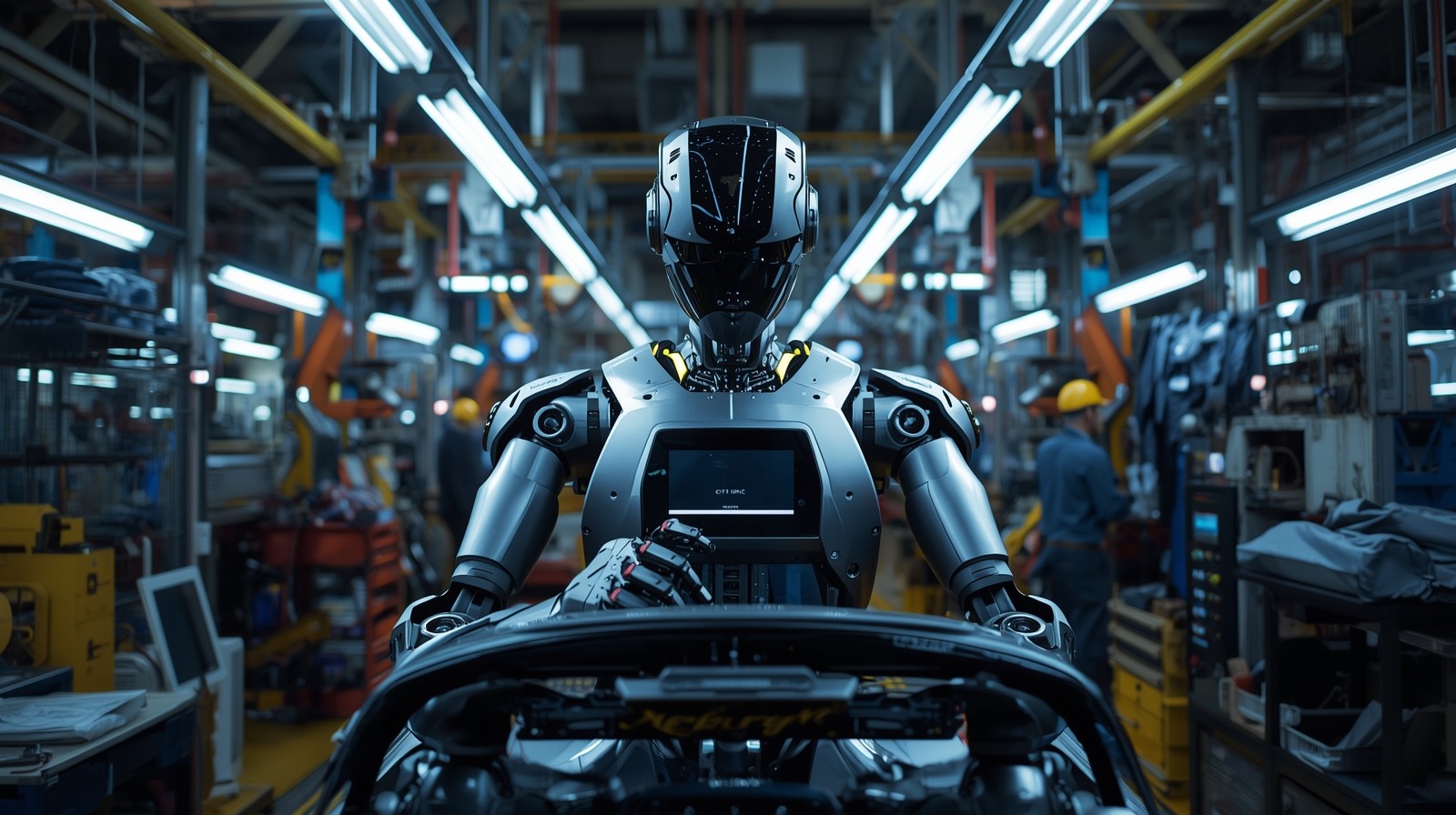
An environment built for humans does not require restructuring for humanoid robots, saving costs.
The truth likely lies in coexistence. Specialist robots remain superior for defined, repetitive tasks, while humanoids have distinct advantages in versatile operations within human-centric spaces. As development progresses and scalability increases, we can expect complexities and costs in humanoid robotics to diminish.
Robotics is more deeply ingrained in society than many realize, and its rapid evolution offers new opportunities and poses complex questions. In the following installment of this series, we will explore the pivotal role of software in robotics, who leads this arms race, who lags, and the untapped growth potentials in this dynamically evolving landscape.
Headlines

Consent was never given.
You need to first accept consent to see this content from TradingView.